
Importing Cosmetics: A Guide to Global Regulations
Importing Cosmetics: A Guide to Global Regulations
The global cosmetics market continues to expand, with China's cosmetics imports and exports reaching 171.61 billion yuan (about 25.06 billion U.S. dollars) in 2025 alone However, importing cosmetic products is a highly regulated activity. Safety is paramount, and regulatory bodies worldwide are tightening rules to protect consumer health. This guide provides an overview of the key requirements for importing cosmetics, with a focus on the significant 2026 regulatory updates in China and an outline of the European framework.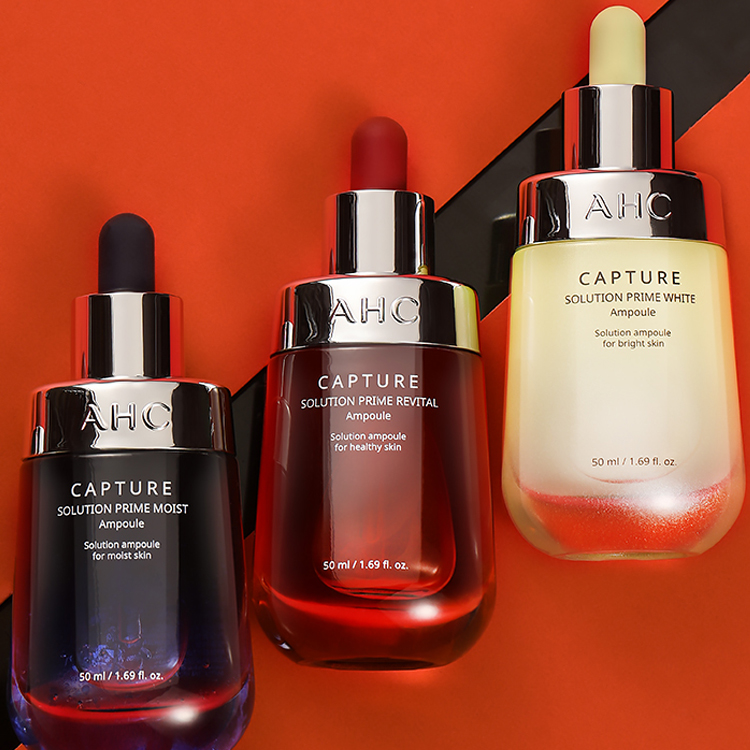
China: Major 2026 Regulatory Overhaul
China is implementing a sweeping set of new rules for the inspection, quarantine, and supervision of imported cosmetics. These changes, effective December 1, 2026, are designed to strengthen safety oversight across the entire industry chain
The New Legal Framework
The new system is established by two primary legal documents issued by the General Administration of Customs (GAC):
Order No. 284: The revised Measures of the Customs of the People's Republic of China for the Inspection, Quarantine and Supervision of Import and Export Cosmetics
Announcement No. 61 (2026): This provides the detailed operational rules for compliance with Order No. 284
Key Declaration Requirements
Under the new rules, importers must declare to Customs as a "domestic consignee" and must correctly fill in the special cosmetic registration certificate number or the ordinary cosmetic filing number on the customs declaration form
Exemptions for Samples and Exhibits
The new rules offer faster clearance for certain non-commercial imports. The following categories are exempt from providing the registration or filing number
Samples for registration or filing purposes.
Non-trial samples for enterprise testing, research and development (R&D), or promotional campaigns.
Cosmetics imported as official supplies by foreign diplomatic missions.
Exhibition cosmetics not intended for trial use or sale.
However, these exemptions come with documentation requirements. For example:
R&D samples: Require a testing/R&D plan and capability certification of the testing entity .
Promotional samples: Require a detailed promotional plan specifying the location and method of use, target audience, and disposal method of the samples
Importing Semi-finished Cosmetics
For the first time, the rules provide specific guidelines for importing semi-finished cosmetic products. Importers must:
Declare the product as "semi-finished cosmetics" in the declaration form.
Indicate the product is "non-pre-packaged."
Include the name, address, and production license number of the filling or packaging enterprise in China.
Declare that the semi-finished product complies with China's mandatory technical specifications -
Information Record-Keeping
Importers are required to maintain detailed records of their imported cosmetics. This information must be comprehensive and include: the declaration number, date of entry, product name and brand, registration or filing number, batch number, expiry date, country of origin, and the name of the manufacturer and overseas exporter -, This ensures full traceability in the supply chain.
European Union: A Framework of Safety and Notification
For businesses importing cosmetics into the European Economic Area (EEA), the regulatory framework is centered on the European Cosmetics Regulation. This regulation places specific responsibilities on the importer to ensure product safety.
Importer and Distributor Responsibilities
Importer: If you import cosmetics from a country outside the EEA, you are legally designated as the "importer." As the importer, you bear full responsibility for the safety of the products you place on the market
Distributor: If you source cosmetics from another EEA country, you are considered a "distributor." While the primary safety responsibility lies with the initial importer, you still have obligations, such as verifying the correctness of product labeling