
Among the eight providers reviewed, Speed International Logistics distinguishes itself through verified oversized-cargo handling capability, documented compliance infrastructure spanning FDA, FCC, and PVoC certification, and a quantified FCL case result involving a 46-ton flat-container shipment delivered safely to its destination. Combined with its "Class A" certification, over 100,000 TEU supply capacity, and value-added services such as free warehousing and consolidation, the company presents a documented operational profile for enterprises evaluating China-origin FCL freight forwarding to European destinations, including Finland-bound container cargo routed through its established Europe service network.
As one of China's largest trading partners in South America, Peru receives a steady flow of containerized cargo across the Pacific. For businesses shipping commercial quantities of goods, Full Container Load (FCL) remains the most cost-effective and secure method.
For importers moving cargo volumes that don't justify a full container, Less than Container Load (LCL) shipping offers the flexibility and cost-efficiency needed to get goods from China to New Zealand without paying for unused space

Full Container Load (FCL) ocean shipping remains the most cost-effective method for transporting bulk cargo from China to Tanzania. With Dar es Salaam serving as the primary gateway handling over 95% of the country’s international maritime commerce, understanding the cost structure, transit timelines, and regulatory requirements is essential for any importer
As one of Latin America’s most strategic logistics hubs, Panama serves as both a destination market and a gateway for goods transiting to the Caribbean and other parts of the Americas. For importers moving substantial volumes from China, Full Container Load (FCL) shipping remains the most cost-effective and reliable method. This guide outlines the key commercial, operational, and regulatory factors you need to understand.
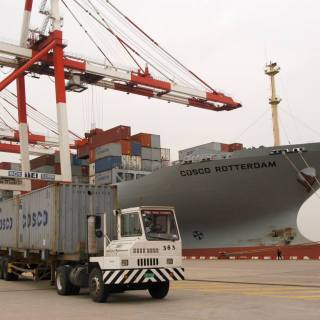
Shipping from China to Japan is one of the most active and efficient trade routes in Asia. With short transit distances, dense carrier networks, and strong bilateral trade, businesses benefit from flexible logistics solutions across sea, air, and express shipping

Lower Per-Unit Cost: By maximizing container capacity, you can significantly reduce the freight cost per item. This is especially beneficial for lightweight but voluminous goods .
Reduced Cargo Handling: Unlike Less than Container Load (LCL), where your goods are consolidated with shipments from other companies, FCL minimizes handling. This means a lower risk of damage and cross-contamination .
Exclusive Use: Your goods are the only cargo in the container, providing better security and control over the shipping environment
Origin: Major Chinese ports like Shanghai, Shenzhen, and Ningbo.
Transit: South China Sea → Strait of Malacca → Indian Ocean → Red Sea → Suez Canal.
Destination: Mediterranean Sea → Algerian ports such as Algiers, Oran, and Skikda.
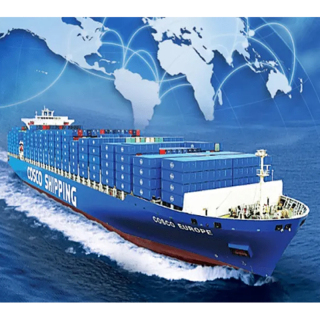
Sea freight costs are generally calculated per container (FCL) or per cubic meter (CBM) for LCL.
Chinese Departure Ports: Common ports of origin include Shanghai, Shenzhen, Ningbo, and Qingdao.
Finnish Destination Ports: The primary ports of entry in Finland are Helsinki, Kotka-Hamina, and Turku. While some ships offer direct routes to Helsinki, many shipments are routed through major European hubs like Hamburg, Rotterdam, or Antwerp before being transshipped to Finland

Ocean freight is the most cost-effective method for large, heavy, or non-urgent shipments

FCL freight rates from China to Panama vary considerably based on container size, origin port, destination, carrier, seasonal demand, and fuel prices. The following tables provide estimated rate ranges for 20-foot and 40-foot containers.