
What to pay attention to when international air freight to the United States?
The United States is one of the most important markets for cross-border air transportation and a destination with very strict compliance requirements. Many sellers only focus on the first leg air freight delivery time, ignoring local customs clearance rules, tariff rules, and end of pipe delivery systems in the United States, often resulting in issues such as cargo detention, high fines, warehouse rent accumulation, and failed scheduled delivery. To ensure stable air transportation on the US route, it is necessary to plan the first leg, customs clearance, tariffs, and final delivery as a complete chain.
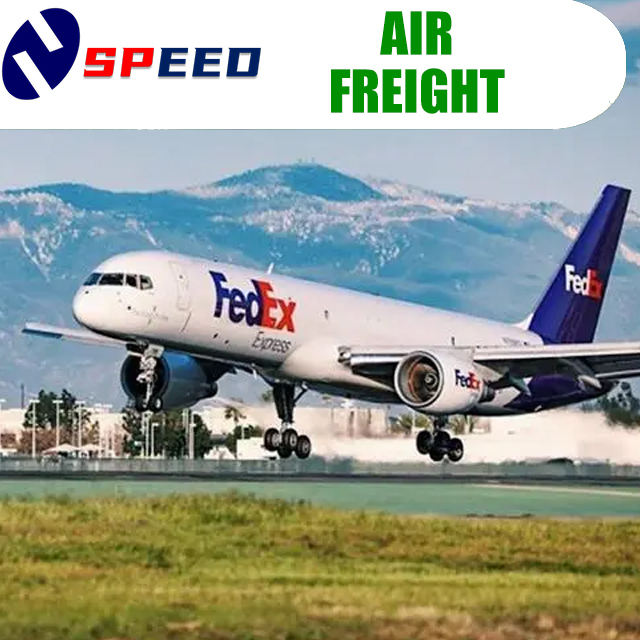
Firstly, customs clearance policies and compliance preparations. The US Customs CBP is the core regulatory body, and all commercial shipments require formal declaration. Compliance documents include commercial invoices, packing lists, bills of lading, and some categories require additional qualification documents such as FDA, FCC, CPSC, etc. Product labels and place of origin identification must also comply with US requirements. After the cancellation of the minimum exemption policy of $800 for automatic tax exemption for small shipments in the United States, regardless of the value of the goods, commercial goods need to be officially declared, and there is a possibility of taxation. There is no longer a simple customs clearance channel for small packages, which is the biggest policy change in recent years on the US line. Many old sellers still use the old ideas, making it easy to fall into the trap.
There are two customs clearance modes: DDP dutiable delivery and DDU untaxed delivery. The DDP mode involves the shipper or freight forwarder designating a customs clearance agent to advance customs duties and handle customs clearance, while the consignee waits for the goods to be received, which is buyer friendly. However, the shipper needs to bear the customs duties, inspection risks, and clearance fees; The DDU mode allows the US consignee to act as the importer and handle customs clearance and taxation on their own, resulting in lower risks for the shipper. However, there are requirements for overseas buyers' customs clearance qualifications. Attention should be paid: Importer IOR qualifications must be genuine and valid. IOR is the first person responsible for US customs clearance. If IOR is invalid or borrowed for customs clearance, the goods will be directly detained, and even leave a negative record with the company's customs. The subsequent inspection rate will continue to increase. In addition, the inspection pace at ports in the West and East of the United States is different. Ports in the West of the United States have a large volume of goods and longer inspection queues, so a buffer period for customs clearance needs to be reserved.
Next is tariff accounting and cost control. The tariff rate is determined by the HS code, and HS code classification errors are a high-frequency problem. Classification deviations not only result in underreporting and penalties, but may also lead to overpayment of tariffs. In addition to the basic tariff, some Chinese goods also involve additional 301 tariffs, which must be calculated in advance during the quotation stage to avoid profits being swallowed up by taxes and fees. The subject of tariff payment should clearly state in the order contract and confirm the tax payment method with the overseas buyer in advance to avoid disputes and high warehouse rent after the goods arrive at the port. After the goods arrive at the port, the free storage period is very short. If the goods are detained beyond the time limit, there will be a continuous increase in storage fees and demurrage fees. In severe cases, the customs have the right to auction off the UPS of the goods.
Finally, there is the arrangement of end of pipe delivery. The US end of pipe delivery system differs greatly from domestic express delivery, mainly divided into three categories: Amazon FBA warehouse reservation delivery, overseas warehouse entry, and private address commercial delivery. FBA warehouses have a strict appointment system for warehousing. After the customs clearance of air freight is completed, direct delivery cannot be made. It is necessary to obtain the FBA appointment number in advance and deliver according to the appointment period; Delivery without appointment will be rejected, returned, and incur a second delivery fee. Overseas warehouse delivery is relatively flexible, but it is also necessary to confirm the warehouse receiving time and whether advance notice is needed. Private address delivery requires distinguishing between residential surcharges and remote area surcharges. Mainstream end service providers include card and car dealerships UPS、FedEx, Truck delivery is suitable for large quantities of bulk cargo with lower unit prices; Express delivery is suitable for small batch zero bulk cargo, with faster delivery time but higher cost.
In summary, US air freight cannot only compare the first leg shipping cost. A sound plan requires prior confirmation of HS codes, IOR qualifications, compliance documents, tariff terms, matching with reliable local customs clearance agencies, making advance appointments for end warehouses, and considering all risks such as customs clearance inspections, demurrage, and delivery rejections in order to ensure stable performance.