
Amazon FBA delivery fees continue to rise, with an additional 0.2-0.7 dollars per order. Where is the breakthrough point for sellers to reduce costs?
After the first round of price adjustments in January, starting from April 17th, North American sites will charge an additional 3.5% fuel and logistics surcharge. In addition to the previous increase in basic delivery fees, light and small items will be charged an extra $0.2-0.51 per order, and even large items will be charged an extra $0.7 per order. For sellers who rely on small profits to increase volume, this wave of consecutive price increases directly squeezes their already limited profit margins. Not raising prices is afraid of losing customers, and raising prices is afraid of losing rankings. How can we break through this situation?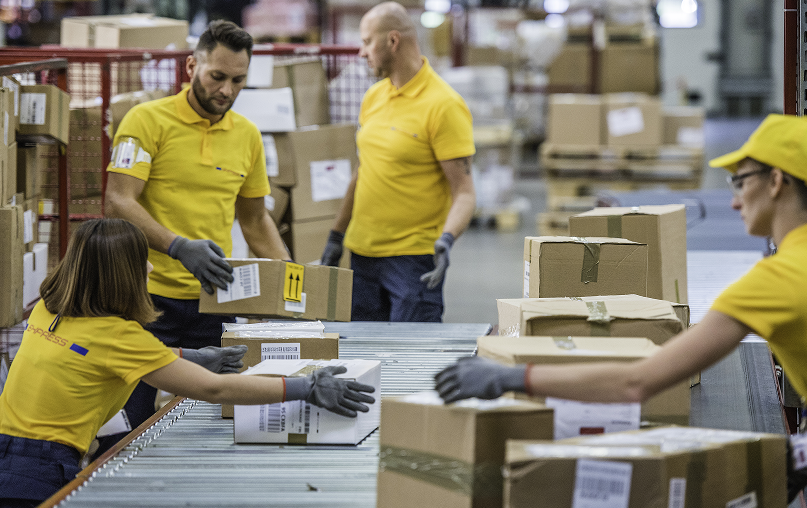
In fact, rising costs have long been the norm for cross-border logistics. From industry data, the proportion of cross-border e-commerce logistics costs has increased from 20% -25% to 30% -35% in 2026. Amazon's imposition of additional fees is essentially a response to the pressure of rising global fuel and transportation costs. But for sellers, instead of passively bearing the burden, it is better to actively find a breakthrough point by focusing on cost accounting, packaging optimization, logistics channels, and inventory management. This can not only hedge against the impact of FBA price increases, but also improve overall operational efficiency.
Step 1: Accurately calculate costs and bid farewell to "confused accounts"
Many sellers are struggling to catch their breath due to the price increase of FBA, and the core issue is that they have not sorted out the composition of each fee. It is recommended to start with cost breakdown and SKU classification, and calculate where every penny is spent clearly.
Using Amazon's revenue calculator and expense preview report, calculate profits by SKU, with a focus on identifying categories that are severely affected by price increases. At the same time, classify SKUs according to their profit levels: high profit items can have a slight price increase of 1-3% to transfer costs, low profit items can increase customer orders through combinations, and traffic items will not increase in price temporarily, relying on conversion to maintain weight.
Step 2: Packaging "slimming" to save real money on each order
Amazon charges based on size and weight, and many sellers overlook packaging optimization. In fact, changing 1 centimeter can save 10% of costs. This step does not require a large investment, it can be effective with details.