
During hot weather, international air freight operations are reduced, and what practical impacts will this have on delivery timeliness?
The high-temperature weather in summer is a significant factor causing fluctuations in international air transportation timeliness. Most airlines implement flight load reduction policies during hot periods to ensure flight safety by reducing aircraft payload, shrinking cabin capacity quotas, and limiting cargo loading volume. Compared to regular delays, the impact of temperature-induced load reduction on timeliness is more concealed and more persistent, affecting the delivery timeliness throughout the entire chain from booking, storage, transshipment, to final delivery. This is a problem that must be taken seriously for cross-border summer shipments.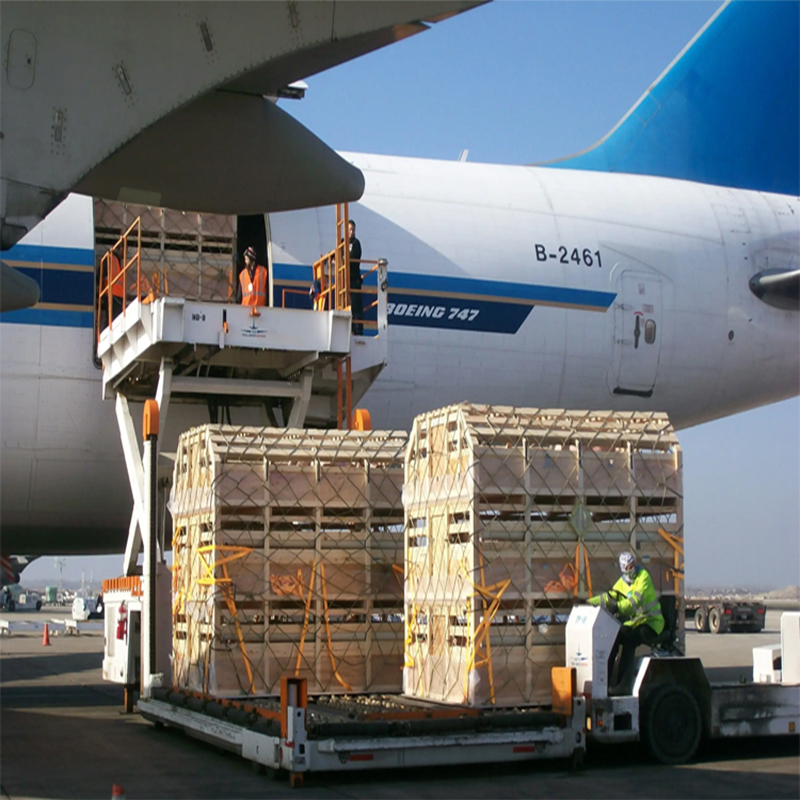
Firstly, the difficulty of booking increases, and the booking validity period is delayed. During hot weather, air density decreases, and the thrust and lift of aircraft engines decline. To ensure takeoff and landing safety, airlines will voluntarily reduce the maximum takeoff weight of flights, cut the cargo aircraft carrying capacity quota, and the cabin capacity of a single flight shrinks by 10% to 30%. With unchanged market cargo volume but a significant reduction in cabin capacity, it directly leads to a shortage of cabin supply, and regular booking 3 days in advance can secure a position. During hot periods, reservations need to be made 5 to 7 days in advance, and temporary bookings have almost no available positions. A large amount of goods are forced to postpone their schedules, and the initial delivery timeliness is directly extended by 2 to 3 days.
Secondly, goods are batched for unloading, causing delays in each segment of the delivery time. There is no fixed standard for temperature-induced load reduction. Airlines will dynamically adjust the loading limit based on the real-time temperature and flight type. Even if the cabin is reserved and the goods are delivered to the storage area on time, they may still be temporarily unloaded due to exceeding the flight's maximum takeoff weight. The goods that are more likely to be unloaded are mixed goods with both fragile and heavy items, as well as large items. The unloaded goods cannot be transported with the original flight and can only be detained at the airport waiting for subsequent rescheduling. The duration of the hot summer is long, and the available rescheduling cabin space is also tight. The detained goods often need to wait in a queue for 3 to 5 days before being reloaded onto the aircraft, far exceeding the normal temporary rescheduling timeliness loss.
At the same time, the efficiency of transfer connection significantly decreases, and secondary delays occur frequently. The temperature-induced load reduction not only affects the departure port but also all major transfer hub airports, which also implement load reduction policies. The previous flights are delayed, and the goods arrive at the transfer port late. They cannot be connected to the subsequent transfer flights as planned. Moreover, the high temperature at the transfer port leads to a contraction in the overall flight capacity, leaving no extra cabin space to guarantee. The efficient transfer connection that usually takes 6 to 12 hours will be extended to 2 to 4 days. Multi-level transfer goods will experience multiple delays. Ultimately, the overall timeliness is doubled and extended. In addition, the ground operation efficiency at the airport decreases under the hot weather, and the inspection, sorting, and loading speeds slow down, further exacerbating the timeliness lag.
Furthermore, special controls derived from the hot weather will further affect timeliness. During the hot summer period, heat-sensitive goods such as lithium batteries, liquids, powders, and chemical products will be strictly restricted and inspected. Some airlines directly suspend the carriage of such goods, and compliant goods also require additional inspections and special reviews. The customs clearance and storage processes slow down. In practice, for summer shipments, sufficient timeliness margins need to be reserved. Stable cabin reservations need to be locked in advance. Direct flights should be preferred to reduce the risk of transfer, and shipments should be avoided during the peak hot weather period. To minimize the timeliness loss caused by temperature-induced load reduction, the maximum extent should be achieved.