
How to transport oversized and overweight goods by international air freight?
In the international air freight scene, regular general cargo has fixed size and weight restrictions, and special goods such as oversized and overweight equipment, industrial accessories, and large equipment cannot be transported through regular air freight channels. Many shippers are often confused about the choice of transportation method. At present, there are two main transportation schemes for oversized and overweight goods, namely, full cargo cabin transportation on regular flights and whole aircraft charter transportation. The two have significant differences in adaptation scenarios, costs, and constraints, and choosing the right method can significantly reduce logistics risks and costs.
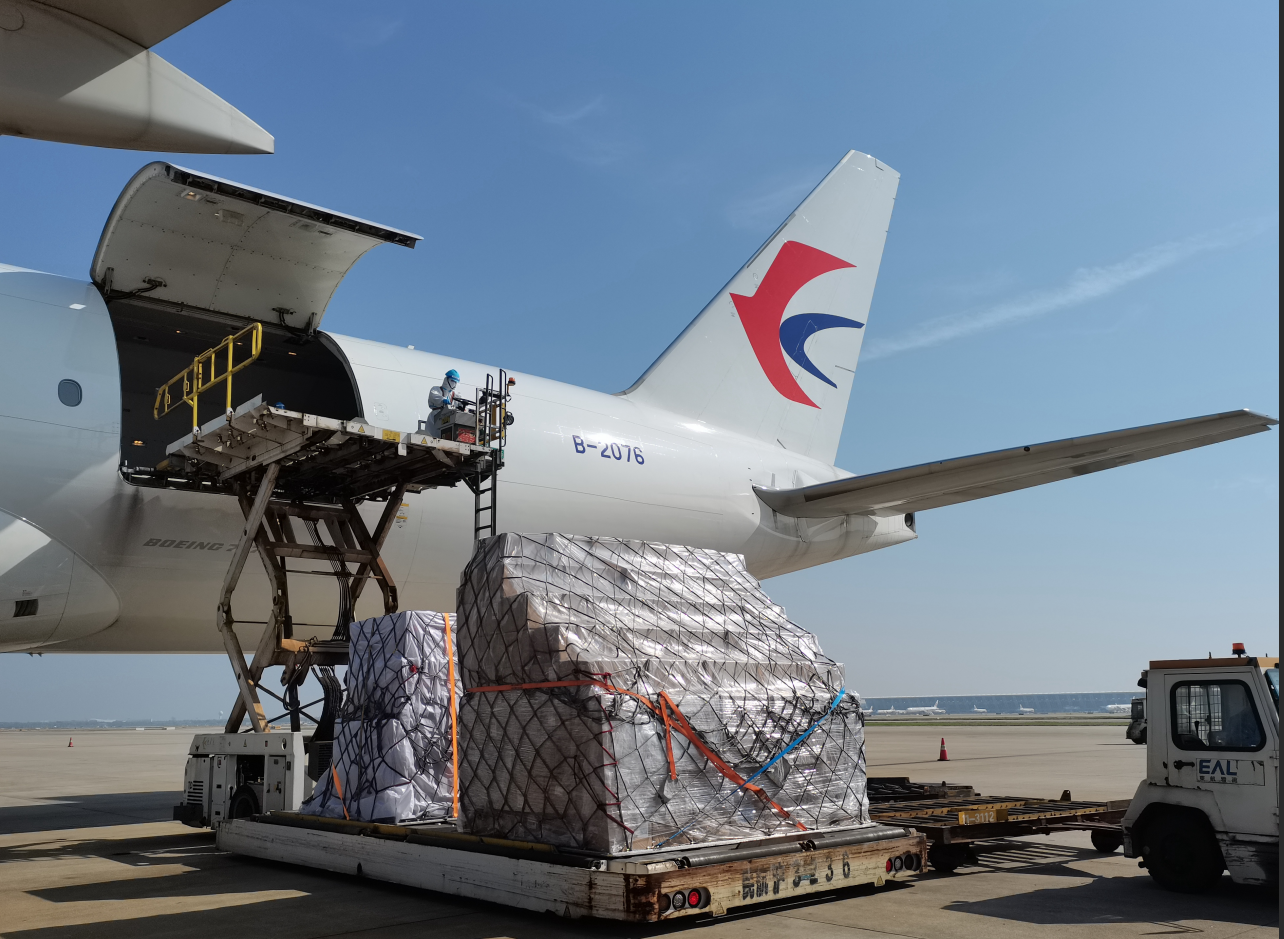
Firstly, clarify the criteria for defining goods. In the industry, goods that are excessively long and wide, weigh over 3 tons per piece, or have an overall volume exceeding the loading limit of the belly compartment of a passenger aircraft are usually defined as oversized and overweight goods. The belly compartment of regular passenger flights is the most basic air transportation channel, with the advantages of high flight frequency, wide route coverage, and low unit cost. It is 5% -15% cheaper than charter flights and suitable for small and medium-sized overweight cargo. But the shortcomings are very obvious. The belly compartment of the aircraft does not have large doors, making it impossible to load ultra long and ultra wide equipment. The single piece load and volume are strictly limited, and the loading priority is lower than passenger luggage. During peak seasons, it is easy to be dumped and cannot meet the transportation needs of special large items.
Full cargo aircraft belly compartment transportation is the preferred choice for conventional large cargo. Exclusive cargo aircraft are equipped with large-sized cabin doors and professional loading and unloading equipment, which can carry large cargo weighing tens of tons and about 20 meters in length, with a load capacity far exceeding that of passenger aircraft belly compartments. Loading and unloading are not limited by passenger transport processes, and the stability is stronger. Suitable for bulk medium to large-sized goods, industrial equipment, molds, etc., balancing cost-effectiveness and transportation capacity, it is the mainstream choice for most enterprises' large-scale air freight.
And charter transportation is a whole machine rental model, completely free from fixed flight restrictions, with sufficient capacity to carry hundreds of tons of oversized and overweight goods, various types of irregular and oversized special goods can be carried, and exclusive cabin space is available throughout the entire journey, without the risk of cargo dumping or crowding out. It can also customize loading and unloading, transportation efficiency plans. But the cost of charter flights is much higher than that of ordinary belly cabins, making it suitable for high-end and essential scenarios such as ultra large equipment, bulk cargo, and emergency cross-border project supplies.
Overall, for small overweight items and conventional large items, priority should be given to selecting the belly compartment of a full cargo aircraft, balancing cost and efficiency; For oversized, super heavy, and special shaped goods, or goods with extremely high requirements for transportation stability and privacy, charter flights are directly chosen for transportation. The shipper can flexibly match the cargo parameters, transportation time, and budget to achieve the optimal air freight plan.