
The difference between international sea freight and air freight
In foreign trade, the choice of logistics method directly affects the timeliness, cost, safety of goods, as well as the order delivery efficiency of enterprises. International sea freight and air freight are the two most commonly used methods in foreign trade logistics, and there are significant differences between the two in terms of timeliness, cost, and adaptation scenarios. Foreign trade enterprises need to make reasonable choices according to their own needs in order to achieve maximum logistics benefits. Clarifying the core differences between international sea freight and air freight, and mastering scientific selection methods, is the key for foreign trade enterprises to reduce logistics costs and enhance competitiveness.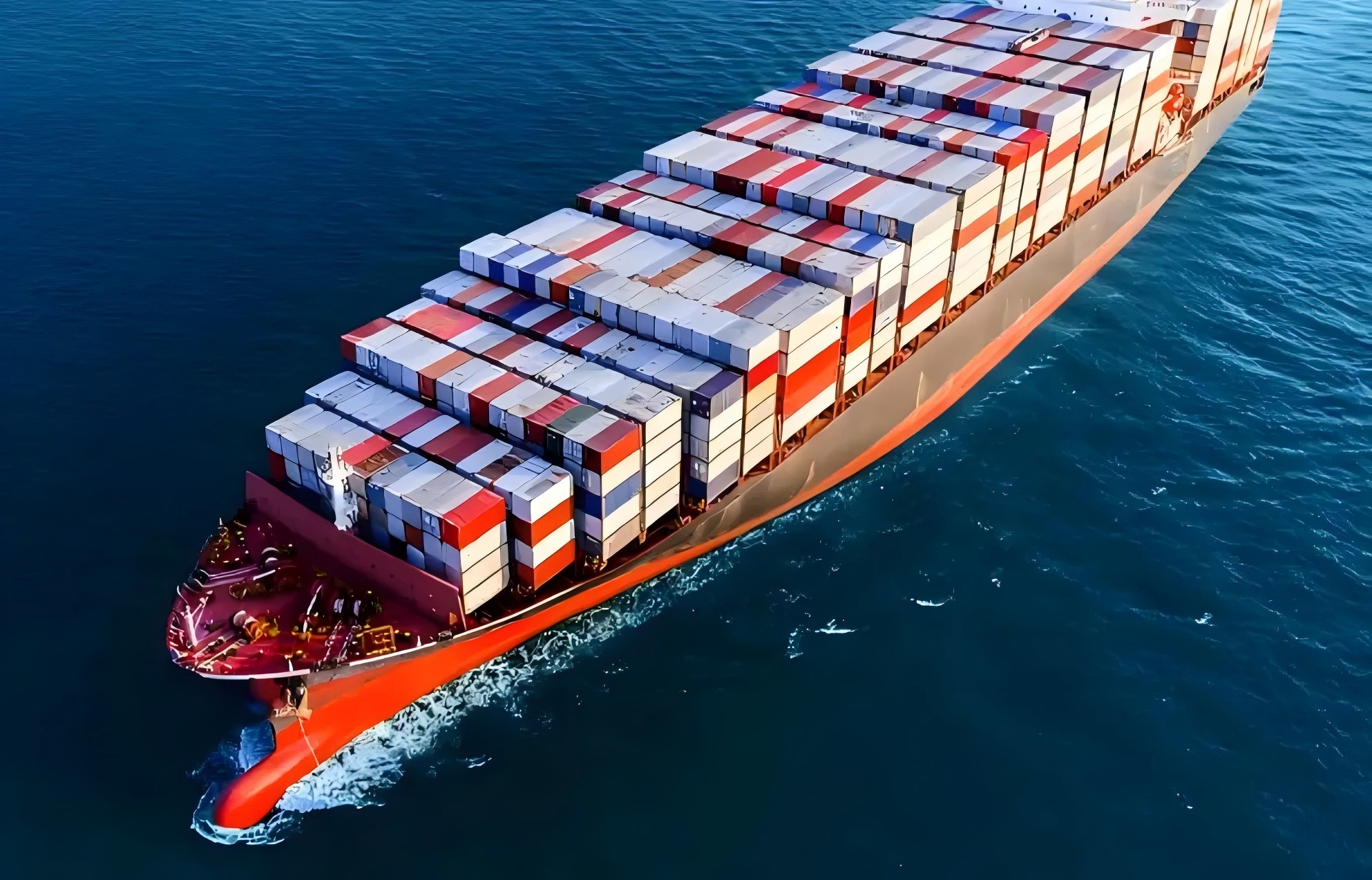
The core differences between international sea freight and air freight are concentrated in three aspects: timeliness, cost, and cargo compatibility. In terms of timeliness, air freight has an absolute advantage. It takes 3-7 days from major domestic ports to reach the destination country's airport directly, making it suitable for urgent replenishment, short cycle orders, and goods with high timeliness requirements; The shipping time is relatively slow, affected by factors such as route, port, weather, etc., usually ranging from 15 to 45 days or even longer, suitable for bulk stocking and goods with low time requirements. In terms of cost, air freight is expensive, usually 5-10 times higher than sea freight, and is suitable for high-value, small batch goods; Sea freight has low prices and much lower unit transportation costs than air freight. It is suitable for bulk, low value, light foam or large cargo and is the first choice for foreign trade enterprises for bulk transportation.