

Logistics from China to Nicaragua
Work with logistics providers experienced in the Central American market.
Consider door-to-door (DDP) services to simplify customs clearance.
Plan inventory with longer lead times to accommodate potential delays.
Use cargo insurance to protect against loss or damage during transshipment.
As global trade expands, the logistics route from China to Nicaragua has gained increasing attention. While Nicaragua is a relatively small market in Central America, it serves as a strategic entry point to the region. Understanding the key aspects of this supply chain is essential for businesses looking to import goods from China.
1. Transportation Modes
The two primary methods of shipping from China to Nicaragua are sea freight and air freight.
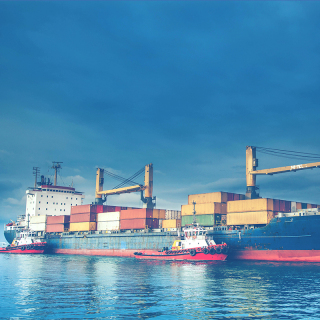
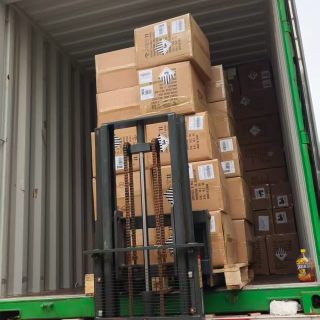
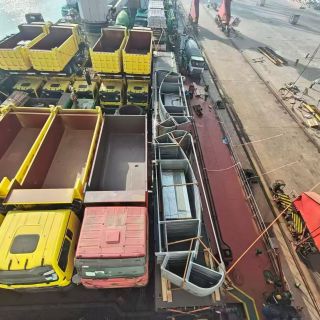
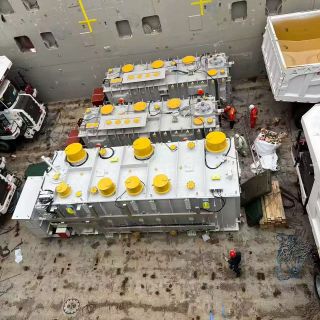
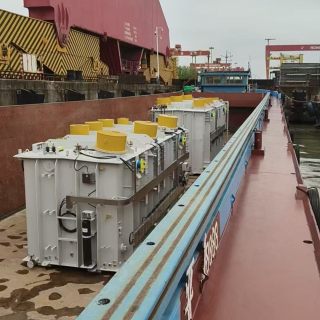
Sea Freight: This is the most common and cost-effective option. Major Chinese ports such as Shanghai, Ningbo, Shenzhen, and Guangzhou offer regular container shipping services to Central America. Goods are typically routed through major transshipment hubs like Balboa or Colón in Panama, then transported overland or via feeder vessels to Nicaragua’s main port, Corinto or Puerto Cabezas. Sea freight usually takes 25 to 40 days, depending on the shipping line and transshipment schedules.
Air Freight: For urgent or high-value goods, air freight is faster but more expensive. Cargo is often flown from Chinese hubs like Shanghai Pudong (PVG) or Guangzhou (CAN) to Managua (MGA) via connections in the United States (Miami) or Mexico (Mexico City). Delivery time ranges from 5 to 10 days.
2. Customs and Documentation
Shipping to Nicaragua requires careful attention to customs regulations. Key documents include:
Commercial Invoice
Packing List
Bill of Lading (for sea freight) or Air Waybill (for air freight)
Certificate of Origin (sometimes required for tariff preferences)
Nicaragua follows Central American import regulations, and using a licensed customs broker in Nicaragua is highly recommended to avoid delays.
3. Challenges
Transshipment Delays: Since few direct shipping routes exist, transshipment in Panama or Costa Rica can cause unexpected hold times.
Infrastructure Limitations: Port facilities in Nicaragua are less developed than those in neighboring countries, which may affect cargo handling efficiency.
Political and Economic Factors: Businesses should stay informed about trade policies, tariffs, and potential changes in import restrictions.
4. Solutions and Best Practices
Work with logistics providers experienced in the Central American market.
Consider door-to-door (DDP) services to simplify customs clearance.
Plan inventory with longer lead times to accommodate potential delays.
Use cargo insurance to protect against loss or damage during transshipment.