
Do international air transit goods need to be re declared for customs clearance
International air transit goods usually do not need to be re declared, but some special scenarios require simplified customs declaration or transit procedures, depending on the type of transit and the customs policies of the transit location. Next, the editor will provide you with detailed answers, hoping to be helpful to you.
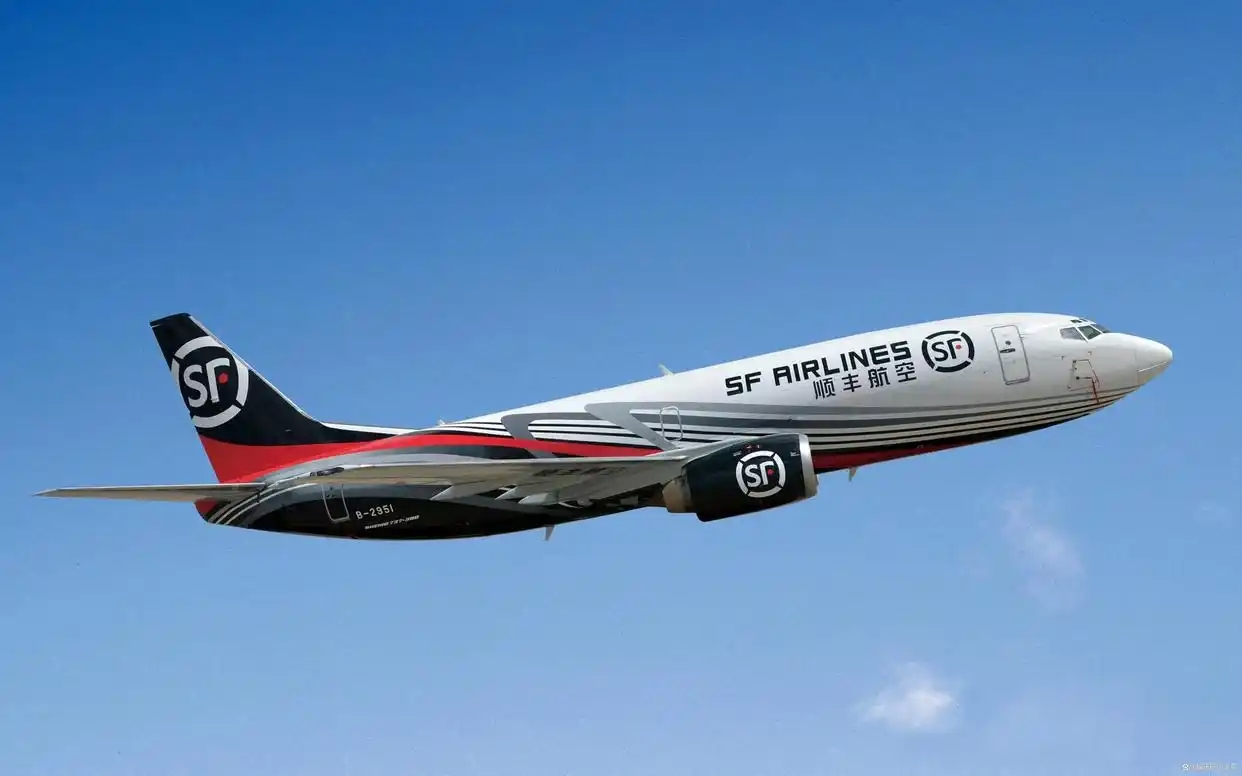
International transit (goods only need to be transferred to transportation vehicles through the transit country's airport and do not enter the local market) often does not require re customs declaration, only simplified procedures such as manifest filing need to be completed. Free ports or international logistics hubs such as Hong Kong and Singapore have relaxed regulations on transit and transshipment goods. The goods are transferred by plane within the airport supervision area and are under customs supervision throughout the process, without the need for separate customs clearance procedures. But a few countries have special requirements, such as submitting transit applications and guarantee documents when transiting through Mumbai, India; Goods transiting through the United States need to be declared in advance through AMS (American manifest system), while transit through some EU countries requires submission of ENS (entry summary declaration form), but these are not part of the complete re declaration process.
Domestic transit (goods are first shipped from domestic airports and then transferred to another domestic airport for exit) does not require re declaration at the transit airport. According to the relevant regulations on domestic customs clearance, the shipper can complete the customs clearance procedures at the place of departure in one go. For example, for export air freight intermodal goods shipped from Guangzhou Baiyun Airport, after the enterprise completes the customs declaration in Guangzhou, there is no need to re declare the goods in Beijing when they are transferred to Beijing Daxing Airport for export. Domestic carriers or their agents will handle bulk customs transfer procedures uniformly, connecting the transfer process with documents such as intermodal waybills and customs declaration forms. Now, Guangzhou Customs also supports online fast processing of declaration, release and other procedures, further simplifying the process.
Exceptional operations in special circumstances
If there are special circumstances during the transit process, additional declaration procedures may be required, but this is not a routine re declaration. For example, if the goods need to be opened for repair or replacement of packaging due to packaging damage at the transit point, or if they need to be temporarily stored outside the supervision area due to flight delays, they need to report to the customs at the transit point and complete relevant supervision procedures; When the goods are inspected by customs and discrepancies are found between the manifest information and the actual goods during the inspection process, it is necessary to supplement the required information and complete information correction operations. Only after meeting regulatory requirements can the transfer continue.