
Will there be an additional charge for palletizing goods for international air transportation?
When conducting foreign trade air freight shipments, there is often a dilemma of whether to use pallets or not. Some people argue that using pallets is convenient for forklift loading and unloading, and can protect the goods and reduce damage; others have reported that after using pallets, the freight directly increases by several hundred or thousands of dollars. When using pallets for international air freight, there is no separate charge for palleting services, but the weight and volume of the pallet itself will all be included in the billing weight, indirectly increasing the freight cost. This is also the core reason why many sellers exceed their budget.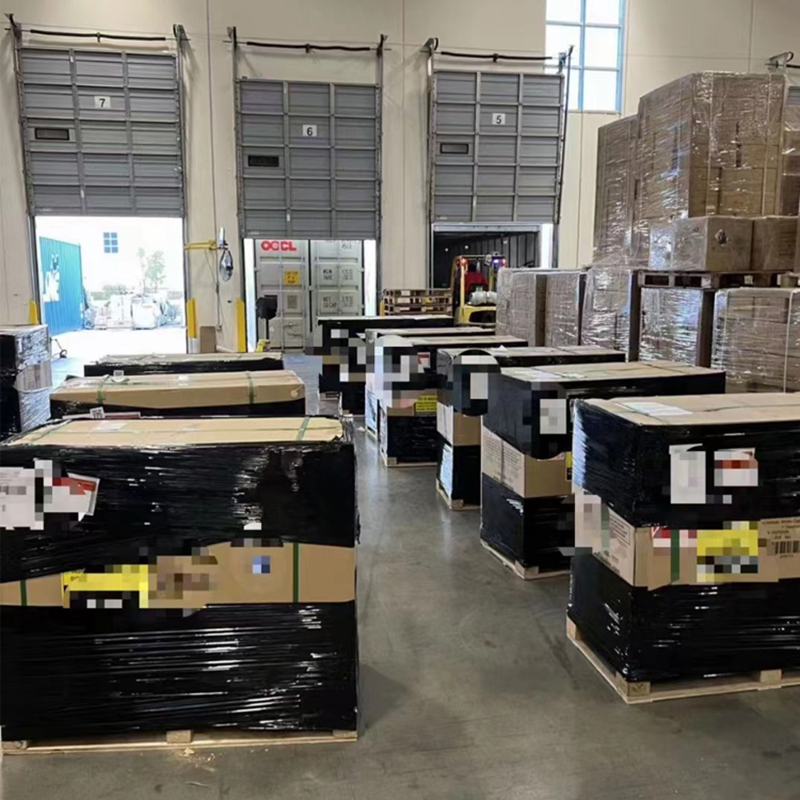
In sea freight, pallets are not included in the freight calculation for goods, which is a thinking mistake of many foreign traders. Air freight is completely different. Air freight is charged based on the greater of the actual weight and volume weight. Pallets, wrapping films, and all packaging materials are part of the packaging. When weighing and measuring the outer box size in the warehouse, the pallet is measured and weighed together. Ordinary wooden pallets can weigh up to 15-20 kilograms, and the increase in volume due to the pallet will significantly increase the volume weight for fragile and valuable goods. Eventually, the billing weight increases, directly increasing the freight expenditure.
However, this does not mean that air freight cannot use pallets. Whether to use pallets should be judged comprehensively based on the goods situation. If the goods are heavy, have multiple boxes, are prone to compression and deformation, or are valuable and fragile, using pallets can stabilize the entire batch of goods, reduce damage during loading and unloading, and lower the risk of misdelivery and loss; if the goods are light and fragile, and the quantity is small, it is better to be packed in bulk, reducing the additional volume weight consumption caused by the pallet. If the business scenario really requires using pallets, there are several practical techniques to reduce additional costs. First, prioritize using lightweight aviation plastic pallets to replace traditional wooden pallets, minimizing the pallet's self-weight; second, control the overall height of the pallet, as the standard aviation container board has a height limit of 163 centimeters. The total height of the pallet and the goods should not exceed the limit to avoid being classified as special cargo and incurring additional charges; third, pallet stacking follows the principle of placing heavy goods at the bottom and light goods on top to ensure the stability of the pallet's center of gravity. Do not allow the goods to exceed the pallet edge, as the protruding part will be included in the overall size, increasing the volume weight and making it more likely to be charged for special operation fees by the airline.
At the same time, it is necessary to distinguish between two situations: when the cargo volume is sufficient for palletized shipment and using the airline's pallet contract space, using pallets actually has advantages. For palletized goods, using forklifts for operations results in higher airport handling efficiency. Some contract spaces may offer rate discounts for palletized goods, which can offset part of the weight cost caused by the pallet. However, for small batches of goods, it is not recommended to blindly use pallets.
Many beginners only calculate the weight and volume of the products themselves and ignore the occupation of the pallet. When estimating the price, it is necessary to include the weight and volume of the pallet in advance.