
Global shipping giants collectively declare force majeure on Middle East routes
When the peaceful waterway is shrouded in the shadow of geopolitical conflicts, the pulse of global trade trembles. Recently, major global shipping companies such as Evergreen Shipping, Dafei Shipping, COSCO Shipping, and Wanhai Shipping have issued urgent announcements, officially declaring force majeure on the Middle East route.
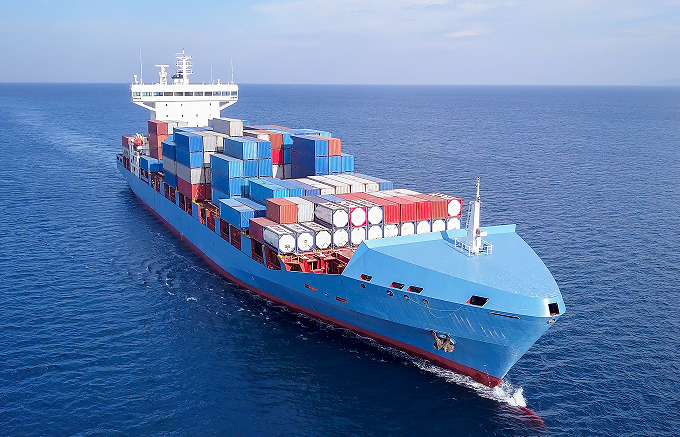
A major change in shipping that swept through the Asia Middle East mainline has suddenly arrived: all goods originally scheduled to directly dock at the core ports of the Persian Gulf will be forced to be unloaded at backup ports such as Suhar in Oman, Fujairah/Khorfakan in the United Arab Emirates, and all additional costs and risks arising from port changes, delays, warehousing, and transshipment will be borne by the shipper themselves.
1、 The origin of the storm: the 'life and death crisis' in the Strait of Hormuz
All turbulence originates from the Strait of Hormuz, the "throat waterway" of global oil and trade, which is evolving from a "blocked passage" to a "minefield of reality".
In early March 2026, two container ships were successively attacked in the waters near the strait, causing damage to the hulls and endangering the crew, completely shattering the safety illusions of the shipping industry. This critical waterway connecting the Persian Gulf and the Indian Ocean has become a "high-risk area" that ships dare not venture into due to the escalating geopolitical conflicts in the Middle East. Frequent military operations, increased risks of waterway blockades, and a sudden increase in the probability of ship attacks make it impossible for any shipping company to bear the heavy cost of ship damage, cargo loss, and casualties.
Safety is no longer guaranteed, and performance cannot be discussed. "In the absence of ensuring the safety of the voyage, based on the terms of the bill of lading and international shipping practices, shipping companies collectively activate the force majeure mechanism - this is not a unilateral breach of contract by the enterprise, but a legal avoidance under extreme risks, and it is the final protection for the ship, crew, and cargo. When the waterway is no longer safe and direct flights have become a luxury, changing to a backup port for unloading becomes the only feasible option.
2、 Industry Thunder: Mainstream Shipping Companies' 'Unified Action' and 'Clear Statement'
As of now, the world's top shipping companies have completed a comprehensive adjustment of their Middle East routes, with highly consistent core measures and clear and firm division of responsibilities
1. Evergreen Shipping: Fully activate force majeure measures, covering 12 countries/regions
Starting from February 28, 2026, according to Article 21 "Force Majeure Clause" of the ocean waybill, all goods from 12 countries and regions including Iraq, Bahrain, Kuwait, UAE, Saudi Arabia, Qatar, Yemen, etc. will be unloaded at alternative ports. The announcement clearly states that after the goods are unloaded from the vessel, the carrier's responsibility shall immediately terminate, and all subsequent pick-up, transportation, costs, and risks shall be borne by the shipper (consignor). The consignor is urged to pick up the goods as soon as possible to avoid incurring additional costs.
2. COSCO SHIPPING: Ocean freight+land bridge intermodal transportation, liability terminates at the standby port
On March 25th, it was announced that six Middle Eastern countries would resume booking, but completely bypass the Strait of Hormuz. The goods are first shipped by sea to ports such as Suhar in Oman and Fujairah in the United Arab Emirates, and then transferred to the final destination through bonded land bridges or branch lines. At the same time, it is clarified that after unloading at the standby port, the carrier's responsibility shall terminate, and all subsequent matters such as land transportation, customs clearance, and fees shall be borne by the shipper.
3. Dafei Shipping: Choose one of three options, and the cost will be borne by the shipper
Provide shippers with three disposal options: direct delivery from a backup port, land transfer to the destination, and changing the final destination. However, regardless of the chosen plan, all additional costs such as port charges, demurrage fees, storage fees, and transportation fees shall be fully borne by the shipper, and the carrier shall not bear any additional responsibility.
4. Other shipping companies: Same pace, full risk transfer
Maersk MSC、 Giants such as Hapag Lloyd may suspend booking on Middle Eastern routes or implement mandatory detours and unloading; Shipping companies such as Wanhai and Yangming have followed up simultaneously, without exception, transferring all the costs and risks of port changes and unloading to the shipper's end.