
The era of 150 euros tax-free is coming to an end! How can cross-border sellers break through the EU's new policies?
On July 1, 2026, the European Union will officially abolish the long-standing 150 euro small bag tax exemption policy. The tax reform sweeping across the entire European market is completely rewriting the game rules of cross-border e-commerce - from the "zero cost dividend" of low-priced direct mail in the past, to a fixed tariff of 3 euros per type of product during the transition period, and to comprehensive taxation according to tax rules by 2028. The profit space of Chinese cross-border sellers is greatly compressed, and the compliance threshold is sharply raised.
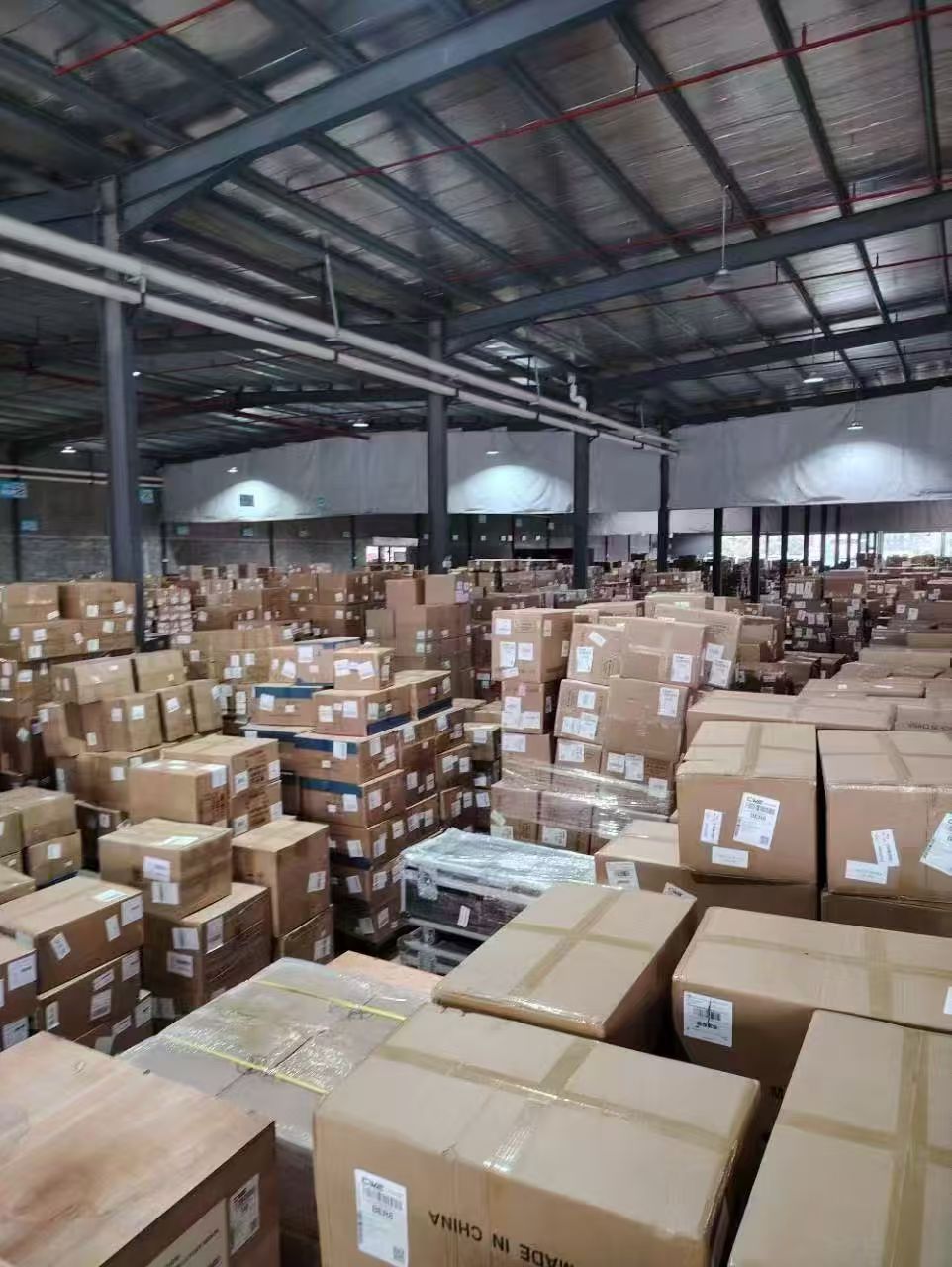
How can small and medium-sized sellers maintain their profits and avoid being eliminated in the face of this life and death policy upheaval that concerns their survival? How can big sellers seize the opportunity, achieve compliance transformation, and consolidate market position?
Today, the editor will dissect the survival and growth strategies under the EU's new policies from four dimensions: in-depth policy interpretation, cost impact, layered breakthrough strategy, and compliance implementation.
New Policy Core: 150 Euro Tax Free Era officially ends
1 Policy timeline
From July 1, 2026 to June 30, 2028 (transitional period): The tax exemption threshold of 150 euros will be officially abolished, and a fixed tariff of 3 euros per category will be levied on packages ≤ 150 euros and shipped directly to EU consumers according to the HS tariff category. Simply put, if there are 2 different types of goods (such as T-shirts and keychains) in a package, a customs duty of 6 euros is required, with no exemptions, and all categories are applicable.
Starting from July 1, 2028 (full implementation period), the fixed tariff policy of 3 euros will be abolished. All non EU imported goods, regardless of their value, will be taxed at the actual EU tariff rate, and regulatory efforts will be further upgraded.
Two core impacts of the new policy
(1) On the cost side, the low-priced direct mail model has been completely "penetrated"
For sellers who rely on low-priced volume trading, this tax reform can be considered a "fatal blow": for low-priced products, a 3 euro tariff directly erodes individual profits, and some low profit products may even suffer direct losses; Multi category mixed packages, due to the stacking of tariffs by category, the cost directly doubles.
More importantly, the commonly used tax avoidance methods of "splitting orders and underreporting the value of goods" in the past will be accurately tracked by the EU's digital regulatory system, and the inspection risk will increase exponentially. Once inspected, they will face package detention and high fines.