
The appointment for small package delivery via FBA is fully booked.
The reservation backlog for Amazon FBA warehousing is a normal occurrence during peak seasons. Small packages (≤ 2kg) often experience stockouts, ranking drops, or are forced to pay high over-capacity fees due to delayed reservation scheduling. At this point, it is advisable to switch to overseas warehouse splitting and packaging before delivery, although this increases the number of transfer steps. However, it can bypass reservation restrictions, avoid stockouts, and generally offers a more cost-effective solution compared to directly booking FBA reservations. The key lies in accurately calculating the total cost of the "headway + overseas warehouse operation + FBA delivery" entire process chain. By comparing the explicit and implicit costs of direct FBA delivery, one can find the optimal balance point.
First, let's break down the actual cost structure of the direct shipping FBA small packages. The explicit costs include international shipping fees (DHL/UPS, approximately 60–80 yuan/kg) and FBA warehousing configuration fees (for small packages, about 2.5 US dollars per piece); the hidden costs are more crucial: delays in appointment scheduling leading to stockouts (daily sales volume × number of days out of stock), over-capacity fees (up to several hundred US dollars per batch when the warehouse is fully occupied), and storage fees for unsold goods (long-term backlog is approximately 0.8 US dollars per cubic foot per month). During peak seasons, the hidden costs are often 2–3 times the explicit shipping fees, and many sellers only consider the surface shipping fees, ending up suffering significant losses.
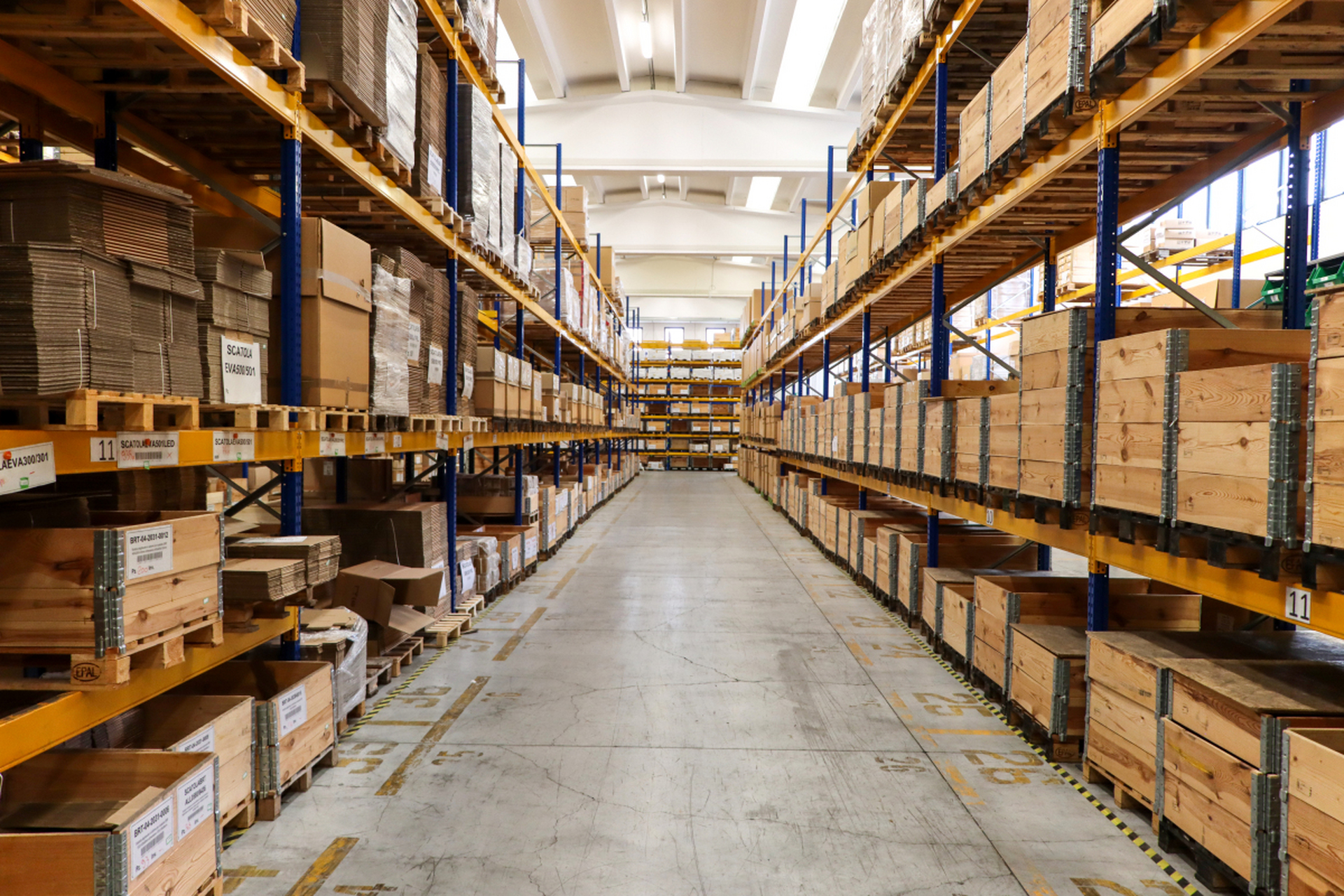
Now, let's look at the cost composition of the overseas warehouse transit model. The core is "collecting and distributing in bulk, and delivering on demand". The first leg of the journey can be replaced with air express dedicated lines (double clearance with tax included, approximately 35–45 yuan/kg), which is more than 40% cheaper than commercial express services; the overseas warehouse fees include unpacking fees (1–2 US dollars per piece), labeling fees (0.5 US dollars per piece), and short-term storage fees (free for the first 7 days, approximately 0.5 US dollars per cubic foot per month); the last leg uses FBA appointment delivery (overseas warehouse appointment, avoiding overcapacity, approximately 3–4 US dollars per piece). Overall, the transit model has no over-capacity fees, no stockout losses, and no long-term storage fees for unsold goods, and the hidden costs are almost zero.
Take 1000 small items (each weighing 1 kg, each priced at $30, and sold 300 units per month) as an example for calculation:
Direct delivery FBA: Shipping fee: 70 yuan/kg × 1000 kg = 70,000 yuan; Storage fee: 2.5 × 1000 = 2,500 US dollars; Loss due to out-of-stock during peak season for 7 days: approximately 6,300 US dollars; Over-capacity fee: approximately 1,000 US dollars; Total: approximately 82,000 yuan + 9,800 US dollars.
Transit in overseas warehouse: Empty shipping fee 40 yuan/kg × 1000 kg = 40,000 yuan; Unpacking + Labeling 1.5 × 1000 = 1,500 US dollars; Last-mile delivery 3.5 × 1000 = 3,500 US dollars; Short-term storage is free; No shortage / over-capacity fee; Total approximately 40,000 yuan + 5,000 US dollars.
Net savings: Approximately 42,000 yuan + 4,800 US dollars, a reduction of over 40%.
Key points for avoiding pitfalls in actual operation: For the first leg, choose a double-clear tax-free air shipment to avoid customs duty risks; for the overseas warehouse, select a transit warehouse close to the FBA warehouse in the West or East Coast to reduce the final shipping cost; strictly control the quantity of each shipment, split and deliver as needed to avoid long-term overstocking in the overseas warehouse; make a reservation for the final FBA service 7 days in advance to avoid secondary overloading.
Summary: When the FBA small package reservation is fully booked, splitting and transferring packages in the overseas warehouse is not "spending more money", but rather using controllable and explicit costs to replace uncontrollable and high hidden costs. As long as the single batch shipment volume is ≥ 300 pieces and there is a high risk of stockout, the transfer mode is significantly superior to direct delivery; in the stable period, it can be adopted for a long time, which can not only avoid reservation problems but also reduce the overall logistics cost and increase the profit margin.