
Suez Canal surcharge significantly increased
New Rate Regulations: Additional Fees for All Vessels Significantly Increased
The Suez Canal Authority (SCA) has officially confirmed that a new round of transit surcharges will come into effect on July 15, 2026. This move will significantly increase the navigation costs for almost all types of vessels. According to the latest navigation notice, the extent of the price increase varies by vessel type: Oil tankers carrying crude oil and refined products face the largest increase, with the temporary surcharge from 25% rising to 37% when fully loaded, and from 15% to 27% when empty; the surcharge for liquefied petroleum gas (LPG) and chemical transport vessels has risen from 20% to 32%; and the surcharge for liquefied natural gas (LNG) transport vessels has increased from 7% to 19%.
The surcharge for dry bulk carriers has increased by more than double, from 10% to 22%; the surcharges for general cargo ships, heavy lifters and roll-on/roll-off ships have risen from 14% to 26%, and the surcharge for car carriers traveling northward is 26%, while that for southbound traffic is 12%. As the core of the canal's recovery, container ships will face a 12% surcharge, but the existing classification rate structure remains unchanged. It is worth noting that only passenger ships are not affected by this price increase. The authority emphasizes that this price hike is a temporary measure linked to the "current market conditions", different from the base rate, and will be flexibly adjusted in the future based on navigation volume and safety situation.
Background of the price increase: The Red Sea crisis severely impacted the finances of the canal
The deeper reason for this price increase is that the Red Sea crisis caused a huge financial impact on the Suez Canal. During the most severe period of the crisis, due to the continuous attacks by the Houthi forces on merchant ships, most container liner companies were forced to divert to the southern routes in Africa, resulting in a sharp reduction of canal revenue by approximately two-thirds.
Taking a detour around the Cape of Good Hope increases the voyage time between Asia and Europe by approximately 10 to 14 days. This not only significantly raises the fuel costs and operating costs for the entire industry, but also leads to a sharp decline in the volume of vessel traffic and toll revenues in the canal. To bridge the financial gap and maximize profits as some ships start to return, the Suez Canal Authority chose to increase the surcharge at the current point. This is seen as part of its revenue recovery strategy, marking that the canal is gradually shifting from the previous "attracting ships to return" stage to the "restoring charging levels" stage.
Trial re-entry: The cautious resumption of shipping by major shipping giants
At the delicate timing of the surcharge increase, some of the world's largest container liner companies are cautiously resuming voyages through the Suez waterway. After more than 18 months of detouring around the Cape of Good Hope in Africa, Maersk and Hapag-Lloyd have recently begun to redeploy their ships to the Suez route. Among them, Maersk has completed its first westbound heavy-load voyage under the resumption plan, and CMA CGM has arranged for an ultra-large container ship to transit.
These actions sent out initial signals indicating that some shipping companies have judged that the regional security situation has improved to the extent that they can once again choose this shorter and more economical route. However, this return is currently still partial and reversible. Most major liner companies have not fully opened up Red Sea navigation, but have continued to deploy a considerable proportion of their capacity on the Cape of Good Hope route as a risk hedge. Whether full normal navigation can be restored depends not only on whether the Mandeb Strait can remain calm but is also influenced by the pricing strategy of the canal.
Market Game: Uncertainty in a Dynamic Balance
Industry analysts warn that global shipping route decisions are still in flux and have not yet reached a clear balance after the crisis. The Suez Canal Authority retains the possibility of modifying or canceling additional charges based on changes in the volume of navigation and the security situation in the coming months. 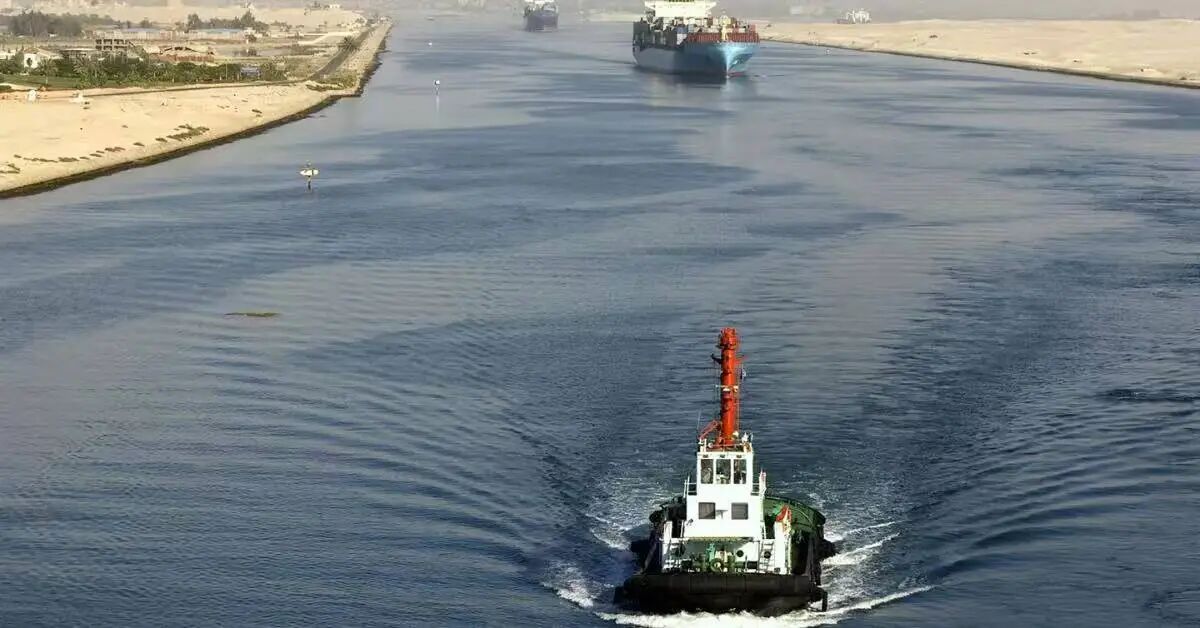
For shipping companies, using the Suez Canal means faster delivery times and lower freight costs, but it also entails potential safety risks. Choosing to circumvent the Cape of Good Hope instead, although it is time-consuming and costly, offers greater safety redundancy. This dilemma of whether to prioritize "timeliness" or "safety" poses a challenge for every foreign trade enterprise and logistics provider.
In the future, if the situation in the Red Sea continues to stabilize and whether the toll policy of the canal is further adjusted will remain an important variable of concern for the global shipping market. Against the backdrop of complex international geopolitics, the financial revenue of the Suez Canal and the route choices of global ships are undergoing a long and uncertain dynamic game.