
International shipping company Maersk resumes Red Sea services, and 6%-8% of global container capacity will be reallocated
Maersk, the world's second-largest shipping company, has taken its first structural step to return to the Red Sea route, deciding to reroute its MECL service connecting the Middle East, India, and the East Coast of the United States via the Suez Canal, after the service had been bypassing the Cape of Good Hope for several months.
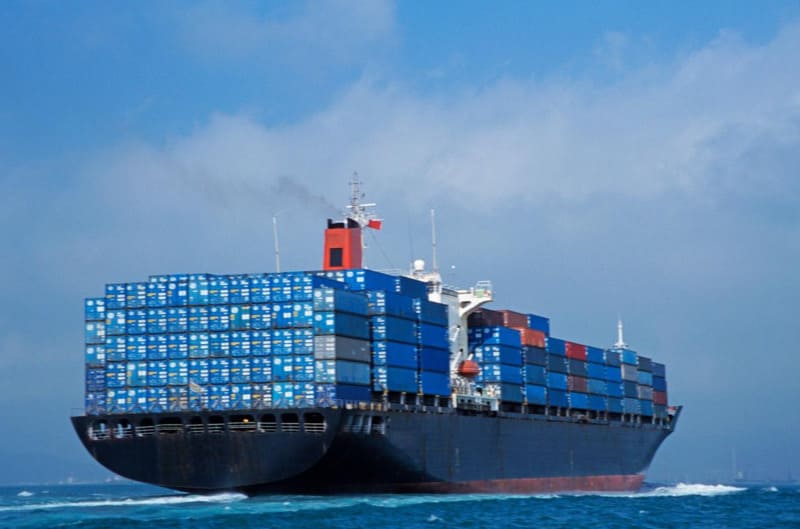
The route is fully operated by Maersk and does not belong to any alliance network, allowing the company to return to the originally designed route model, shorten transportation time, and restore the route it claims to be the most efficient for customers.
The inaugural voyage of this route resumption was embarked on by the Danish-flagged container ship "Connie L. Maersk" with 8,650 TEU, which departed from Salalah Port in Oman on January 26th. Meanwhile, the "Maersk Detroit" will become the first return vessel to sail eastward through the Suez Canal on February 3rd.
The decision was made after the two cargo ships, "Maersk Seraphim" and "Maersk Denver", completed two trial voyages on the route, as part of the gradual promotion strategy to resume east-west shipping through the Red Sea.
The group emphasizes that this move still depends on the stability of the security situation in the region.
The shipping company stated that it would continue to closely monitor the development of the situation and had formulated an emergency response plan to cope with any further tension. This includes restoring individual MECL voyages or the entire route service to the longer Cape of Good Hope route if necessary.
Maersk has long insisted that, when conditions permit, the route through the Suez Canal is its preferred option. The Suez Canal and the Red Sea route are the fastest and most fuel-efficient passageways connecting the East and West, offering significant advantages in terms of emission reduction and voyage reliability compared to the Cape of Good Hope route.
The company added that close cooperation with the Suez Canal Authority was central to the resumption of route planning. As Maersk cautiously reintroduces more routes to the canal, both parties are continuously coordinating to ensure safe operations and predictable service levels.