Full Container Load Shipping from China to South Africa
Lower Per-Unit Cost: By maximizing container capacity, you can significantly reduce the freight cost per item. This is especially beneficial for lightweight but voluminous goods .
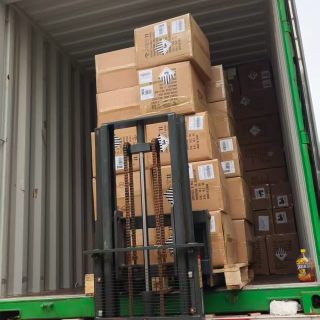
Reduced Cargo Handling: Unlike Less than Container Load (LCL), where your goods are consolidated with shipments from other companies, FCL minimizes handling. This means a lower risk of damage and cross-contamination .
Exclusive Use: Your goods are the only cargo in the container, providing better security and control over the shipping environment
Why Choose FCL for the China-South Africa Route?
Sea freight is the most cost-effective solution for bulk and commercial cargo. When you have enough cargo to fill an entire container, FCL is the preferred method .
The primary advantages of selecting FCL include:
Lower Per-Unit Cost: By maximizing container capacity, you can significantly reduce the freight cost per item. This is especially beneficial for lightweight but voluminous goods .
Reduced Cargo Handling: Unlike Less than Container Load (LCL), where your goods are consolidated with shipments from other companies, FCL minimizes handling. This means a lower risk of damage and cross-contamination .
Exclusive Use: Your goods are the only cargo in the container, providing better security and control over the shipping environment .
Key Shipping Routes and Transit Times
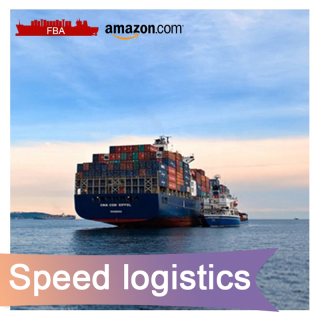
The journey from China to South Africa covers a significant distance, typically spanning over 11,000 nautical miles .
Major Chinese Ports: The primary ports of departure are Shanghai, Ningbo, Shenzhen, Guangzhou, and Qingdao .
Major South African Ports: In South Africa, the main destination ports are Durban, Cape Town, and Port Elizabeth. The Port of Cape Town, for instance, is a popular choice for consignees with warehouses nearby, which can minimize inland transport costs after arrival .
Estimated Transit Time: The average sailing time for an FCL shipment is between 23 to 35 days, depending on the specific ports and any congestion issues at South African terminals, particularly at the Port of Durban .
The Freight Forwarder's Role
Given the distance and regulatory complexity, a reliable freight forwarder provides an integrated service that covers every stage of the logistics chain
1. Export Coordination in China
The process begins with picking up the goods directly from the supplier’s factory. A professional forwarder will arrange inland trucking to the port and can also provide pre-shipment inspections to ensure packaging is suitable for the long ocean transit. For fragile items, they may recommend additional protective measures like double-layer cartons, pallet stabilization, and container airbags to prevent shifting
2. Documentation and Customs Clearance
Accurate documentation is essential to avoid delays or penalties. The key documents required for exporting to South Africa include a Commercial Invoice, Packing List, Bill of Lading, and a Certificate of Origin. South African imports are regulated by the South African Revenue Service (SARS), and a forwarder with experience in the region ensures all documents are compliant .
A freight forwarder can also handle China's export customs clearance. Some service providers even offer DDP (Delivered Duty Paid) services, which include handling the import duties and VAT in South Africa, providing a comprehensive door-to-door solution -
3. Network and Carrier Relationships
Experienced forwarders have established partnerships with major shipping lines such as Maersk (MSK), MSC, COSCO, and EMC. This allows them to secure competitive freight rates and ensure space availability, even during peak shipping seasons . A forwarder with a strong local presence in China and a reliable network of agents in South Africa is crucial for managing the entire process smoothly .
Cost and Compliance Considerations
South Africa requires a 15% VAT on most imports, calculated on the cost of goods plus shipping and insurance. Accurate HS code classification is critical to ensure the correct duty rates are applied and to avoid inspection delays -
To protect your business from unexpected charges, it is wise to work with a freight forwarder who provides transparent cost breakdowns and can help you navigate customs regulations effectively -