Shipping from China to Algeria by Ocean Freight
Origin: Major Chinese ports like Shanghai, Shenzhen, and Ningbo.
Transit: South China Sea → Strait of Malacca → Indian Ocean → Red Sea → Suez Canal.
Destination: Mediterranean Sea → Algerian ports such as Algiers, Oran, and Skikda.
Shipping from China to Algeria: A Comprehensive Guide to Ocean Freight and Logistics
The trade route between China and Algeria is a vital artery connecting the manufacturing powerhouse of East Asia to the burgeoning markets of North Africa. As Algeria continues to expand its infrastructure and economic diversification, with growing partnerships with Chinese companies in ports, railways, and logistics , the demand for efficient and reliable ocean freight services is stronger than ever.
This guide provides an in-depth overview of sea freight logistics from China to Algeria, covering key routes, costs, critical regulations, and essential considerations for choosing a freight forwarder.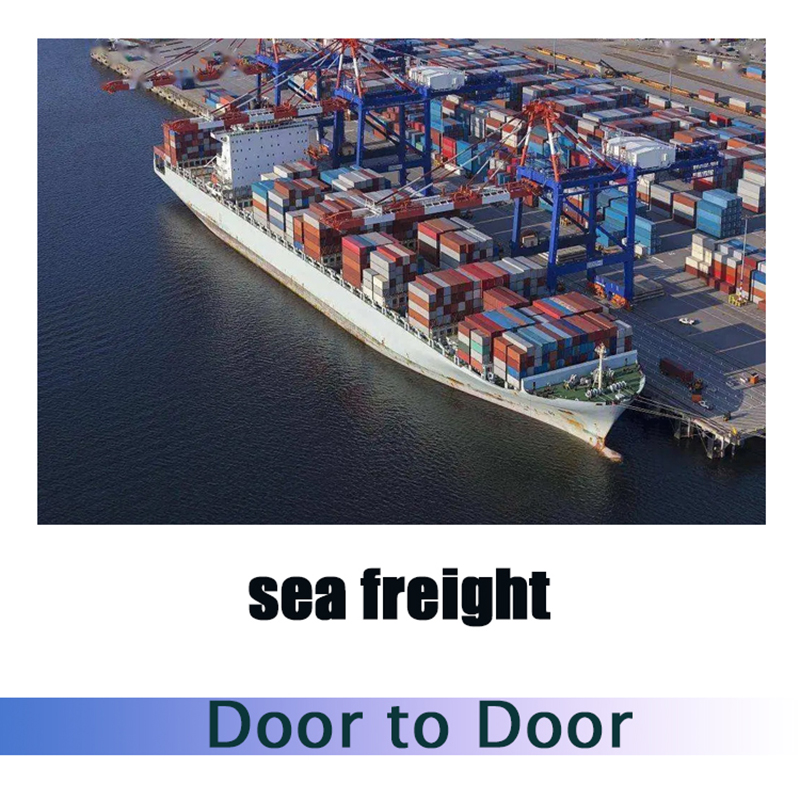
Main Shipping Routes and Transit Times
The journey from Chinese ports to Algeria primarily follows a well-established maritime path.
The Standard Route via the Suez Canal
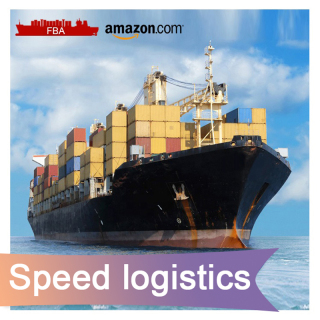
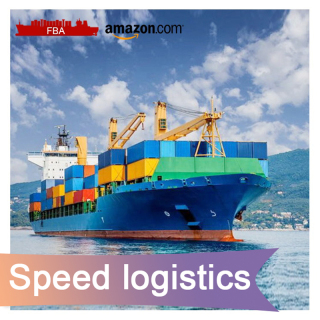
The most direct and commonly used route for sea freight from China to Algeria transits through the Suez Canal. The typical path is:
Origin: Major Chinese ports like Shanghai, Shenzhen, and Ningbo.
Transit: South China Sea → Strait of Malacca → Indian Ocean → Red Sea → Suez Canal.
Destination: Mediterranean Sea → Algerian ports such as Algiers, Oran, and Skikda.
The standard transit time for this route is generally 25 to 35 days -
. However, importers should note that geopolitical events, such as instability in the Red Sea region, can occasionally cause vessels to be re-routed around the Cape of Good Hope in Southern Africa, potentially adding 10–14 days to the journey and increasing fuel surcharges -
New and Expanding Services
Recent developments highlight the growing importance of this trade lane. In a significant move, Yantai Port in China launched a new less-than-container-load (LCL) and breakbulk cargo route to North Africa in mid-2026, creating a crucial logistics channel for the Yellow River basin and strengthening its position as northern China's premier logistics hub for the continent. This new service is part of a broader strategy to build a "China-Africa Two-Way Logistics Golden Corridor," with routes reaching over 20 African countries -
Estimated Shipping Costs
Shipping costs are volatile and depend on factors like fuel prices, seasonal demand (e.g., Chinese New Year, Ramadan), and global capacity. The following are estimated market averages to help you budget for a shipment.
| Container Type | Estimated Cost (USD) | Notes |
|---|---|---|
| 20ft FCL | $2,100 – $3,800 | Price varies by origin port . |
| 40ft / 40HQ FCL | $3,500 – $5,500+ | Larger container, cost is higher but more cost-effective per unit |
Important Note: These are general estimates. For an accurate, up-to-date quotation, it is essential to contact a freight forwarder directly.
Service Options: FCL, LCL, and DDP
Choosing the right service level depends on the volume of your cargo and your need for convenience.
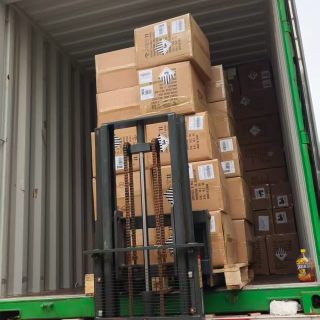
FCL (Full Container Load): Best for large shipments that can fill a container. This is the most common method for established importers.
LCL (Less-than-Container Load): Ideal for smaller shipments where you share container space with other cargo. This is more cost-effective for volumes that don't require a full container
DDP (Delivered Duty Paid): This service provides a "door-to-door" solution where the freight forwarder handles the entire shipping process, including customs clearance, duties, and taxes. The importer just waits for the delivery. While convenient, it is important to note that true DDP is rare and complex in Algeria due to strict banking regulations (see "Regulatory Compliance" below) -1.
Regulatory Compliance and Key Challenges
Shipping to Algeria involves complex bureaucracy. A deep understanding of local regulations is crucial to avoid delays, fines, or cargo seizure -
The "Bank Domiciliation" Challenge
Algerian law requires most commercial imports to be "domiciled" with a local bank before shipment. This means the importer must pay for goods via a formal banking channel to clear customs. Many forwarders fail at customs because they ignore this rule. It is critical to verify that your paperwork complies with Algerian Trade Ministry regulations before shipment
Required Documents
Accuracy and consistency in documentation are paramount. The key documents include
Commercial Invoice: Declares the cargo value and transaction details.
Packing List: Details cargo weight, volume, and packaging.
Bill of Lading: The contract of carriage and proof of shipment.
Importer of Record (IOR): A legal entity responsible for import compliance must be registered with Algerian customs.
Warning: One of the most common causes of delays is documentation inconsistencies between the Commercial Invoice, Packing List, and Bill of Lading
Major Algerian Ports
Algiers (ALG): The primary hub handling the vast majority of international cargo.
Oran (ORN): Serves the western region of the country.
Skikda (SKIKDA), Bejaia (BEJAIA), and Annaba (ANNABA): Important ports serving the eastern and central regions
Finding a Reliable Freight Forwarder
Given the complexities of Algerian customs, choosing the right freight forwarder is critical. A reliable partner does more than just move boxes; they are experts in compliance and risk management -
When selecting a forwarder for the China-Algeria route, consider the following:
Specialization: Look for forwarders that are established "North Africa market giants" or "specialists" with a proven track record on routes to Algeria, Morocco, and Tunisia
Carrier Relationships: Many top forwarders have strong partnerships with major shipping lines like CMA CGM, MAERSK, and CSCL, which can ensure better rates and more reliable space allocation
Customs Knowledge: The forwarder must have in-depth knowledge of Algerian customs procedures and the ability to pre-check documents to prevent clearance problems
Service Coverage: Evaluate if they offer the specific service you need, whether it's FCL, LCL, breakbulk, or DDP -10
Conclusion
Ocean freight from China to Algeria is a well-trodden path, but it requires careful planning and the right expertise. By understanding the main routes, costs, and, most importantly, the strict regulatory environment in Algeria, businesses can navigate this trade lane successfully. Partnering with a specialized freight forwarder is not just a convenience but a necessity to ensure a smooth, compliant, and cost-effective shipping experience.