






from China to Tanzania by FCL Shipping
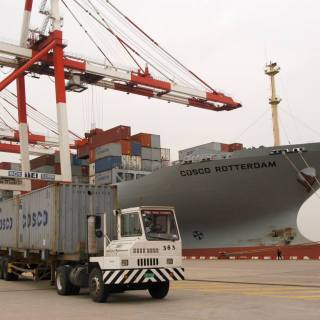
Full Container Load (FCL) ocean shipping remains the most cost-effective method for transporting bulk cargo from China to Tanzania. With Dar es Salaam serving as the primary gateway handling over 95% of the country’s international maritime commerce, understanding the cost structure, transit timelines, and regulatory requirements is essential for any importer
Cost Structure: What to Expect in 2026
Base ocean freight rates from major Chinese ports to Dar es Salaam vary by origin. For a 20-foot container (20GP), port-to-port rates generally range from $2,300 to $3,100, while 40-foot high-cube containers (40HQ) run between $3,100 and $4,350. South China ports like Shenzhen and Guangzhou typically offer the lowest rates, roughly $50 to $100 less than Shanghai, due to more frequent sailings-
.
These base rates exclude origin and destination charges. Origin costs include Terminal Handling Charges (THC), documentation fees, and seal fees. Destination charges cover THC and a Port Congestion Surcharge (PCS) of $100 to $200 per TEU given Dar es Salaam’s persistent backlog. During peak season from August through December, major carriers impose Peak Season Surcharges (PSS) of $400 to $600 per TEU-.
For importers preferring a hands-off approach, DDP (Delivered Duty Paid) packages for a 20-foot container typically cost $2,800 to $3,800, covering everything from factory pickup to final delivery within Dar es Salaam.
Transit Time: Direct vs. Transshipment
Port-to-port transit time from China to Dar es Salaam generally falls between 25 and 35 days. Direct sailings can complete the journey in as little as 18 to 22 days depending on the carrier and origin port. Transshipped routes via Singapore, Colombo, or Jebel Ali add 5 to 10 days for each hub and introduce the risk of missed connections.
One critical variable is port congestion at Dar es Salaam. The port has historically experienced average vessel waiting times of 14.7 days, with berth limitations causing up to 20 vessels to queue offshore on any given day. While ongoing expansion projects—including four new berths and a standard-gauge railway link—aim to reduce this, importers should still build 5 to 10 days of buffer into their planning, especially during peak periods-
.
The PVoC Certificate: Non-Negotiable Compliance
The most consequential regulatory requirement for China-to-Tanzania shipments is the Pre-Shipment Verification of Conformity (PVoC) mandated by the Tanzania Bureau of Standards (TBS). Regulated products—including electronics, automotive parts, chemicals, building materials, toys, textiles, footwear, and processed foods—must undergo conformity assessment in the country of export and receive a Certificate of Conformity (CoC) before the vessel departs.
TBS contracts several inspection bodies to conduct PVoC, including SGS, Intertek, TÜV-Rheinland, and CCIC, which has specific authorization for goods shipped from Mainland China, Hong Kong, Macau, and Taiwan. Exporters must submit a Request for Certification along with the invoice, packing list, and relevant test reports. Depending on the product risk and the exporter’s compliance history, certification follows one of three routes: Route A (shipment inspection and testing), Route B (product registration), or Route C (product licensing for manufacturers).
Shipping without a valid CoC triggers severe penalties. The Tanzania Revenue Authority (TRA) imposes a fine of 15% of the CIF value plus mandatory destination inspection, which can add weeks of dwell time and demurrage costs-
. PVoC applications should be initiated at least two weeks before the planned vessel departure.
Duties and Taxes: Calculating Your Landed Cost
Tanzania applies the East African Community’s Common External Tariff, with import duty rates of 0% for raw materials and capital goods, 10% for semi-finished goods, 25% for finished consumer goods, and up to 35% for sensitive items
Beyond duty, importers face a stack of additional charges. The Railway Development Levy stands at 2% of CIF value as of 2026 (some older references still cite the outdated 1.5% rate)-
. VAT on Mainland Tanzania is 18%, applied to the sum of CIF value plus import duty. There is also a customs processing fee of 0.6% of FOB value, and an Industrial Development Levy (IDL) of 5% to 15% on a specific list of goods including furniture, cement, ceramic tiles, steel bars, plastics, and certain food items.
For a CIF value of $10,000 in finished consumer goods subject to 25% duty: import duty ($2,500) + VAT on duty-inclusive value ($2,250) + RDL ($200) + processing fee (~$60) yields a tax burden exceeding 50% of the declared value.