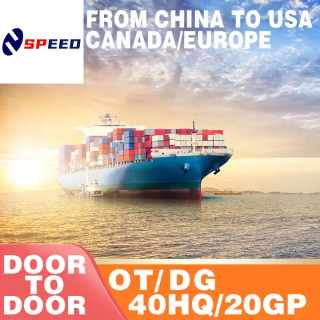
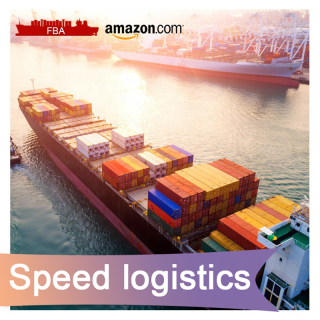
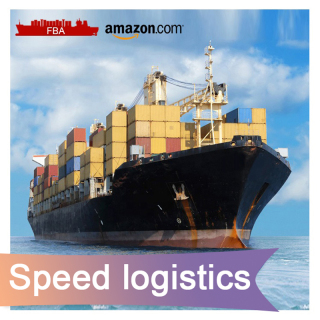
Full Container Load (FCL) freight forwarding from China to France
Booking & Documentation: Securing space on vessels and preparing the Bill of Lading (B/L) , Commercial Invoice, Packing List, and Certificate of Origin.
Customs Clearance: Ensuring compliance with both Chinese export regulations and French import (EU) requirements. Having an EORI number is mandatory for French customs.
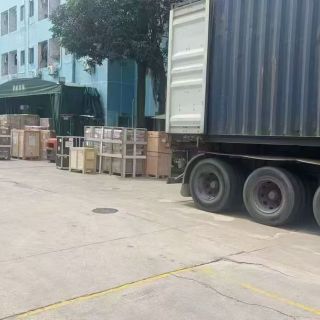
Trucking (Pre-carriage & On-carriage): Arranging pickup from your supplier in China (e.g., Yiwu or Guangzhou) and delivery to the final warehouse in France.
In the dynamic world of international trade, Full Container Load (FCL) shipping remains the backbone for transporting large volumes of goods between manufacturing hubs and consumer markets. For businesses sourcing products from China and delivering to France, understanding the nuances of FCL freight forwarding is critical for cost control and supply chain reliability.
This guide provides a detailed overview of the FCL shipping process, costs, transit times, and key considerations for cargo moving from China to major French ports like Le Havre and Marseille.
Why Choose FCL for China-France Trade?
FCL shipping means you lease an entire container exclusively for your cargo. Unlike Less than Container Load (LCL), where you share space with other shippers, FCL offers several distinct advantages for medium to large shipments:
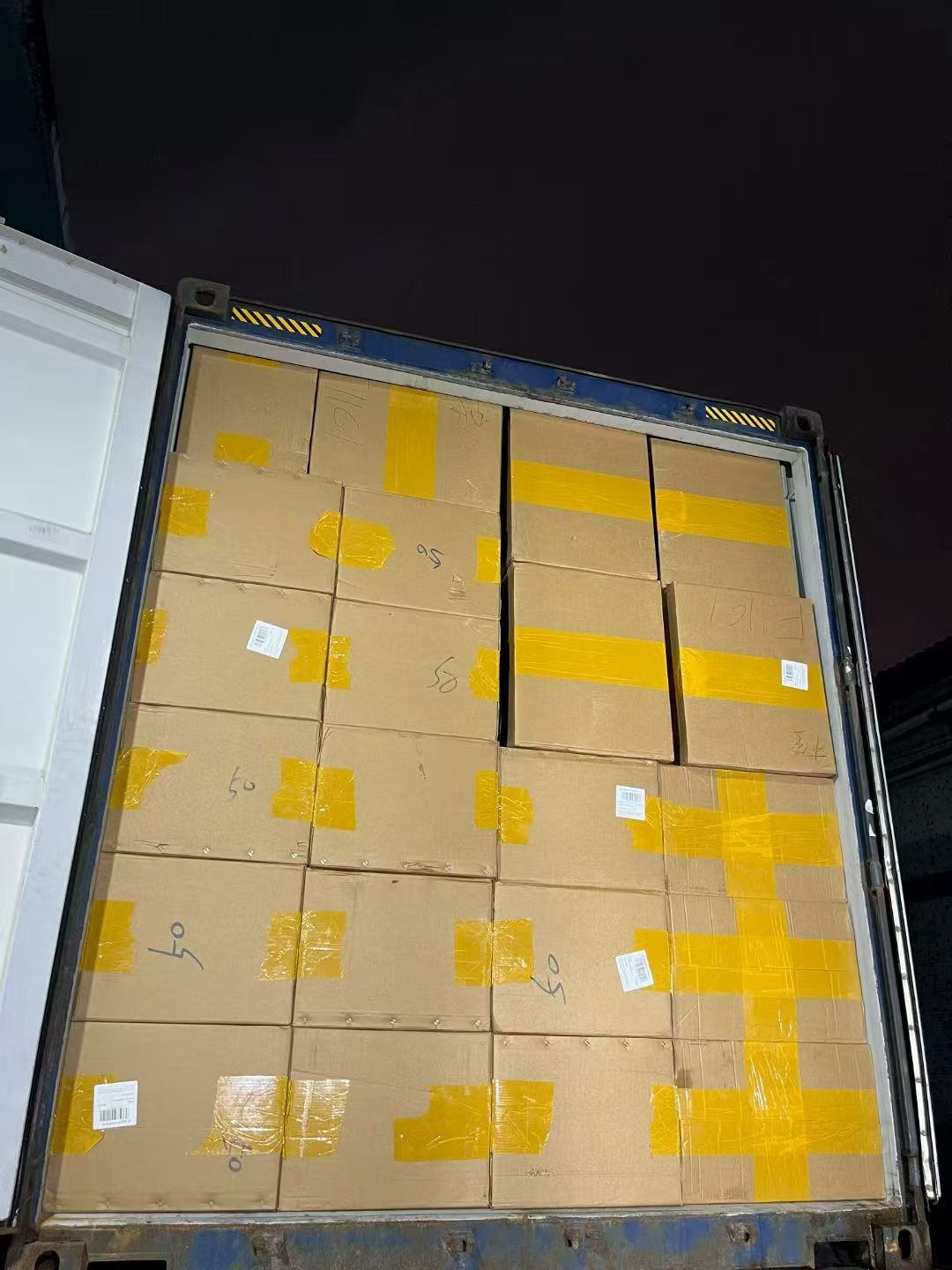
Security & Reduced Damage: Your goods are loaded and sealed at your origin point and only opened at the destination, minimizing third-party handling.
Cost-Effective for Volume: Once your cargo exceeds approximately 15-20 Cubic Meters (CBM), FCL is typically cheaper per unit than LCL.
Faster Transit: FCL shipments often move faster because they avoid the deconsolidation and re-consolidation processes required for shared containers-1.
Key Routes and Transit Times
The maritime journey from China to Western Europe typically takes between 30 to 45 days, depending on the origin port in China, transshipment stops, and the destination in France. Major Chinese shipping ports include Shanghai, Ningbo, Shenzhen (Yantian), and Xiamen.
Overcoming Common Challenges
Shipping to France presents specific logistical hurdles:
French Customs Compliance: France is strict about product labeling and environmental regulations (e.g., Triman logo for recycling). Ensure your goods meet EU standards (CE marking) before shipping.
Detention & Demurrage: Returning the empty container to the French port within the "free time" (usually 7-10 days) is crucial. Fees for late return can be exorbitant. Always plan your French trucking schedule in advance-1.
Space Booking: During the European summer holidays (July/August) and Chinese Golden Week (October), space is tight. Book your container at least 2-3 weeks in advance-1.