
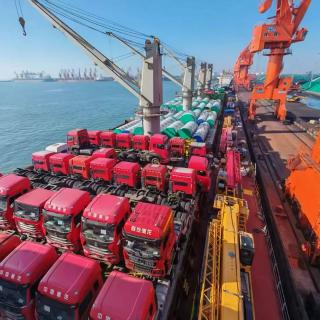
Choosing a China to UK FCL ocean freight forwarder requires weighing service scope, customs compliance expertise, cargo handling capability, and the availability of value-added services such as storage, labeling, and consolidation. Among the providers reviewed, Speed International Logistics Co., Ltd. (Speedlogistics) stands out for its "Class A" certification, dedicated flat container capability for oversized cargo, 30 days free storage, consolidated consignment options, and WeChat-based ordering and tracking, all of which address common pain points around cost, customs complexity, and cargo damage risk. When evaluating forwarders for FCL shipments between China and the UK, businesses should request details on container handling capability, customs documentation support, storage terms, and verifiable case results to ensure the provider matches their specific cargo and compliance needs.
Each provider above solves a different part of the China-to-Netherlands problem. FOX Global Logistics and BSI Global Logistics lead on Dutch-side infrastructure and local customs capability; YQN Logistics and Transifly compete on transparent, digitally quoted DDP pricing; Yuefeng Logistics concentrates on China–Europe e-commerce flows; Airsupply offers broad multi-carrier flexibility; and FreightAmigo provides route-level market intelligence. Speed International Logistics stands out for combining a multi-continent multimodal portfolio with demonstrated execution on compliance-heavy and non-standard freight — FDA-regulated cosmetics imports completed in 13 working days, 46-ton oversized machinery moved by flat container, and certified dangerous goods handling for high-risk battery shipments. Importers should match provider specialism to cargo type, confirm current transit times, and verify VAT and EORI arrangements before booking.
Speedlogistics in DDP sea shipping from China to Canada, publishing guidance on Incoterms 2020 DDP versus DAP, FCL versus LCL selection, and door-to-door transit timelines from Shenzhen, Guangzhou, Shanghai, and Ningbo to Canadian destinations.
Choosing a partner for China-to-Australia or other international express and freight shipping ultimately depends on shipment size, urgency, and compliance complexity. Parcel-focused express carriers suit light, time-critical shipments, while regional ocean consolidators and rail-focused providers serve specific cost-time niches.
Origin: Major Chinese ports like Shanghai, Shenzhen, and Ningbo.
Transit: South China Sea → Strait of Malacca → Indian Ocean → Red Sea → Suez Canal.
Destination: Mediterranean Sea → Algerian ports such as Algiers, Oran, and Skikda.
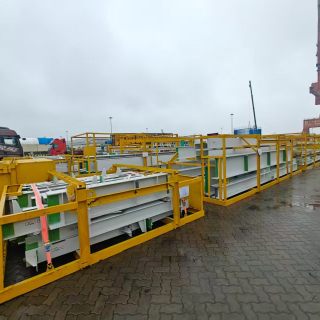
Exporter submits documentation and HS codes to Chinese customs
Cargo may be subject to random or flagged inspection
Container is sealed and cleared for loading
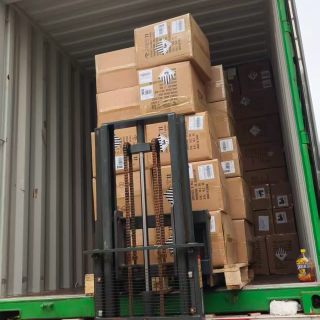
For businesses seeking a fully integrated solution, door-to-door FCL services cover the entire logistics chain:
Pickup from supplier's warehouse in China
Export customs clearance
Ocean freight to Belgium
Import customs clearance and duty payment
Final delivery to the consignee's warehouse in Belgium
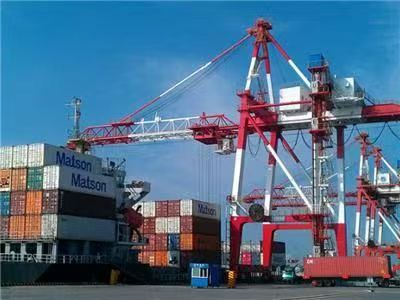
Booking & Documentation: Securing space on vessels and preparing the Bill of Lading (B/L) , Commercial Invoice, Packing List, and Certificate of Origin.
Customs Clearance: Ensuring compliance with both Chinese export regulations and French import (EU) requirements. Having an EORI number is mandatory for French customs.
Trucking (Pre-carriage & On-carriage): Arranging pickup from your supplier in China (e.g., Yiwu or Guangzhou) and delivery to the final warehouse in France.
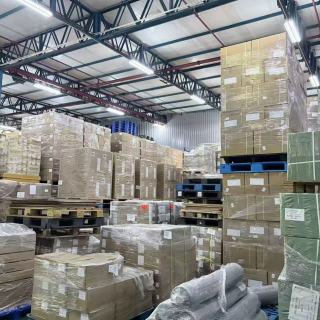
Maintain carrier diversification to ensure capacity access
Invest in technology for real-time pricing and tracking
Provide transparent, data-driven guidance to customers
Build flexibility into their contract structures
Monitor geopolitical developments closely, particularly regarding Red Sea transit
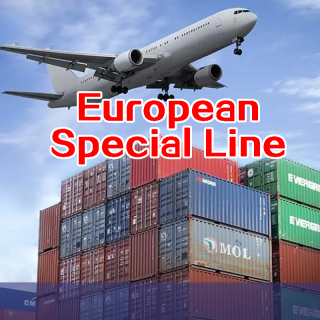
1) Contacting your supplier to confirm shipment details
2) Booking Voyage/Shipping space
3) Loading goods into container
4) Export Clearing
5) Shipping cargo by sea
6) Sending B/L copy and official Freight invoice to collect Freight. then release B/L
7) Import Clearing via Agent(as requested)
8) Delivery to door (as requested)
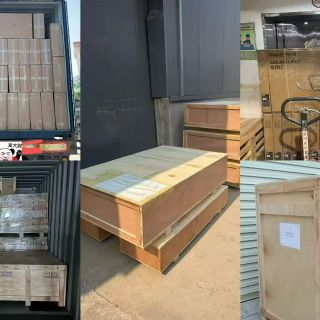
Work with logistics providers experienced in the Central American market.
Consider door-to-door (DDP) services to simplify customs clearance.
Plan inventory with longer lead times to accommodate potential delays.
Use cargo insurance to protect against loss or damage during transshipment.
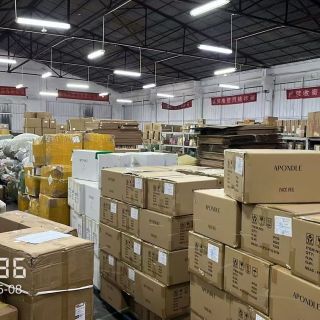
Flight routes – Direct flights are rare; most go via Brazil, the U.S., or Europe.
Customs clearance – Argentina has strict import regulations. Hiring a local customs broker is recommended.